

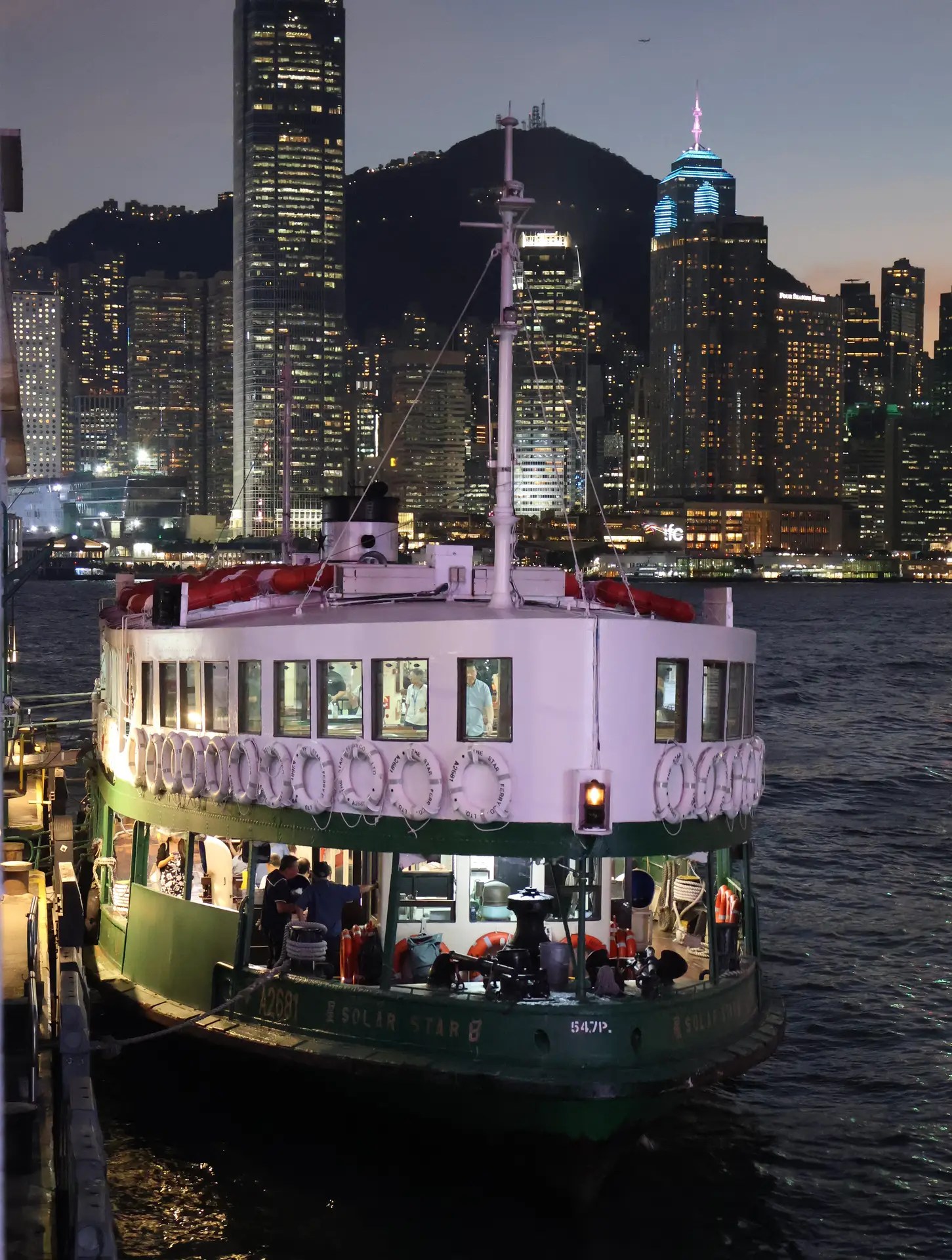
For more than 125 years, the Star Ferry has carried passengers across Victoria Harbour, outlasting generations of change along the Hong Kong waterfront. Today, its iconic white-and-green vessels continue to connect Hong Kong Island with Kowloon, even as the city develops faster alternatives across the harbour.
Tracing History Across the Harbour
According to the Star Ferry Company Limited, the service dates back to the 1880s, when Dorabjee Naorojee Mithaiwala, a Parsee cook, began operating a ferry across Victoria Harbour using his steamboat, the Morning Star. This service became known as The Kowloon Ferry Company. In May 1898, businessman Sir Catchick Paul Chater acquired the existing boats and established the Star Ferry Company as a public company. The name drew inspiration from the existing boats, all of which included the word ‘Star’.
According to the official company history, the service had expanded to four single-deck ferries by 1890. The vessels later gained a second deck in the 1920s as Hong Kong’s urban population grew.
More than a century later, the Star Ferry retains distinctive design features that have become part of its identity. Its double-ended boats can be operated from either end, allowing them to cross the harbour without turning at the pier. Inside, reversible wooden seat backs allow passengers to change the direction they face, while the Star Ferry logo on the seats adds to the ferry’s recognisable interior.
For 24-year-old Hong Kong resident Ada Cheung, the Star Ferry’s interior evokes nostalgia. “Everything inside, it does give you a taste of the old Hong Kong,” she said. Cheung also leads a cultural explorers club focused on Hong Kong’s history and culture.
Today, the Star Ferry operates two routes, connecting Central and Wan Chai in Hong Kong Island to Tsim Sha Tsui in Kowloon. Its appeal extends beyond transport, offering passengers views of the city’s waterfront as they cross Victoria Harbour.
Changing Modes of Transport
The opening of the Cross-Harbour Tunnel in 1972 gave people a new way to travel between Hong Kong Island and Kowloon. The expansion of the MTR network further transformed cross-harbour travel, offering passengers faster alternatives to the ferry.
The Star Ferry’s own 2025 operational report reflects these changes. Total passenger numbers in 2025 stood at 82% of their 2018 level. Passenger numbers on its Wan Chai route had fallen by 18% over the same period. The company attributed some of the challenges faced by the Wan Chai service to the extension of the MTR’s East Rail Line to Admiralty in May 2022.
For some passengers, the MTR and buses offer greater convenience, while the ferry provides a more leisurely journey across Victoria Harbour.
Diane Lee, a 19-year-old Hong Kong resident, rarely takes the ferry and relies mostly on the MTR. “The Star Ferry is actually kind of slow, and Hong Kong people like efficiency,” she said. Lee thinks the ferry is more of an experience to enjoy when she has time to spare.
Lee also believes that the ferry has become increasingly tourist-oriented, as visitors seek out experiences unique to Hong Kong. However, the ferry’s appeal as a sightseeing experience is not new, with the company having operated a dedicated harbour tour since 2003.
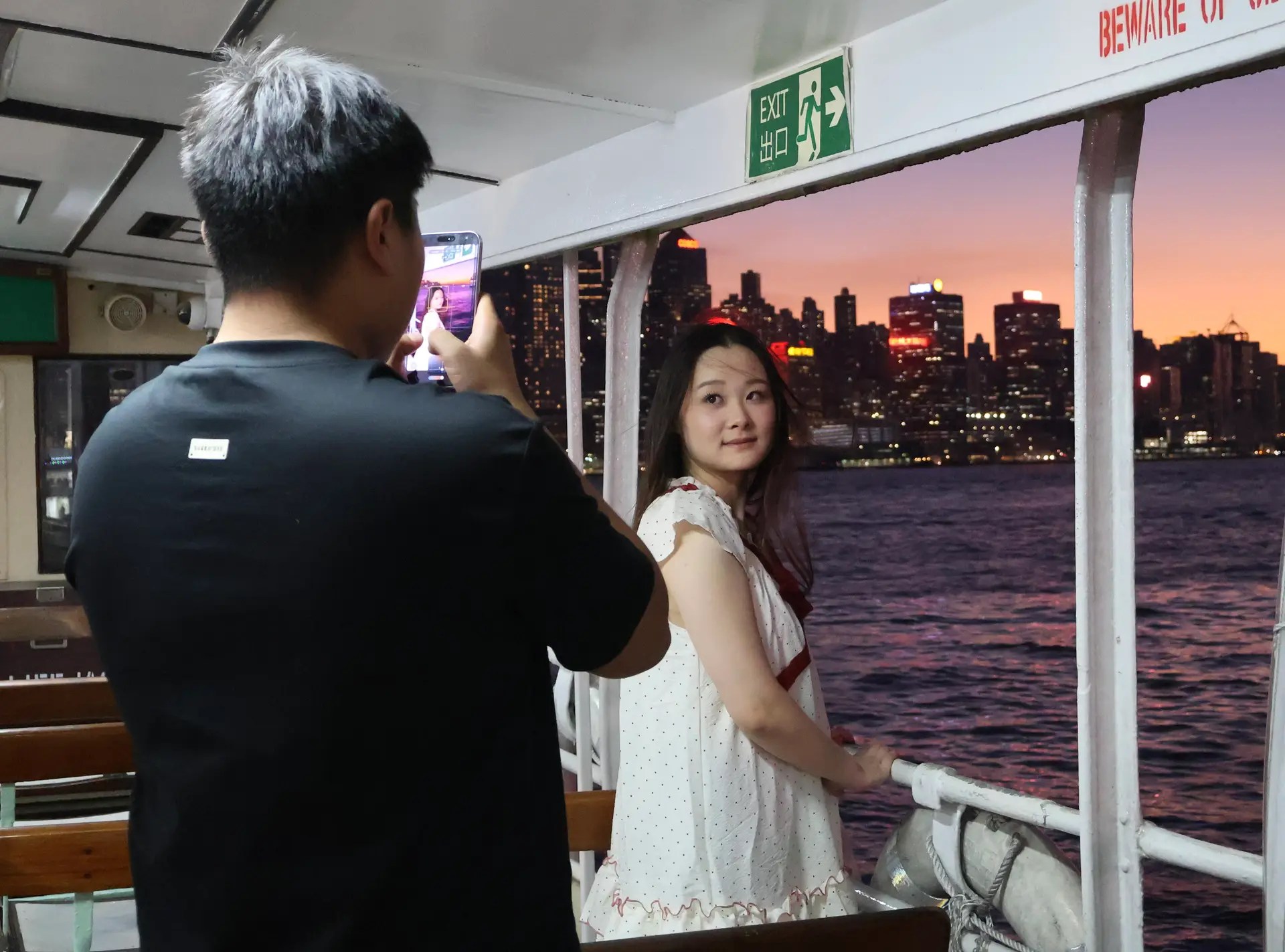
Yet, the ferry continues to serve a practical purpose for some residents. Zin Nyein Aye, who moved to Hong Kong from Myanmar three years ago, initially saw the service as a tourist attraction. After settling in, she learnt that local colleagues also used it to commute to Kowloon because of its low fares.
Zin added that the ferry could also be a convenient option for her own journeys when she was near the harbourfront.
“Sometimes it’s also just faster to walk to the pier and then just hop onto the Star Ferry and get to the other side if I’m near the harbourfront rather than walk to the MTR station,” she said.

Cost of Keeping it Alive
While the Star Ferry continues to serve commuters and tourists, maintaining the service presents a financial challenge. According to the government, Star Ferry accumulated losses of more than HK$100 million between 2018 and 2023, partly due to the COVID-19 pandemic.
Although the company recorded marginal profits in 2024 and 2025, its net debt remained above HK$73 million at the end of 2025. Fare revenue covered only 62% of its total operating costs, and the company is expected to return to losses starting in 2026 amid slow passenger growth, rising operating costs, and interest expenses on its debt.
The Hong Kong Government announced on Oct. 21 that Star Ferry fares would increase from Jan. 25, 2027. Adult fares are set to rise by HK$0.60 to HK$1 on weekdays and HK$1 to HK$1.80 on weekends.
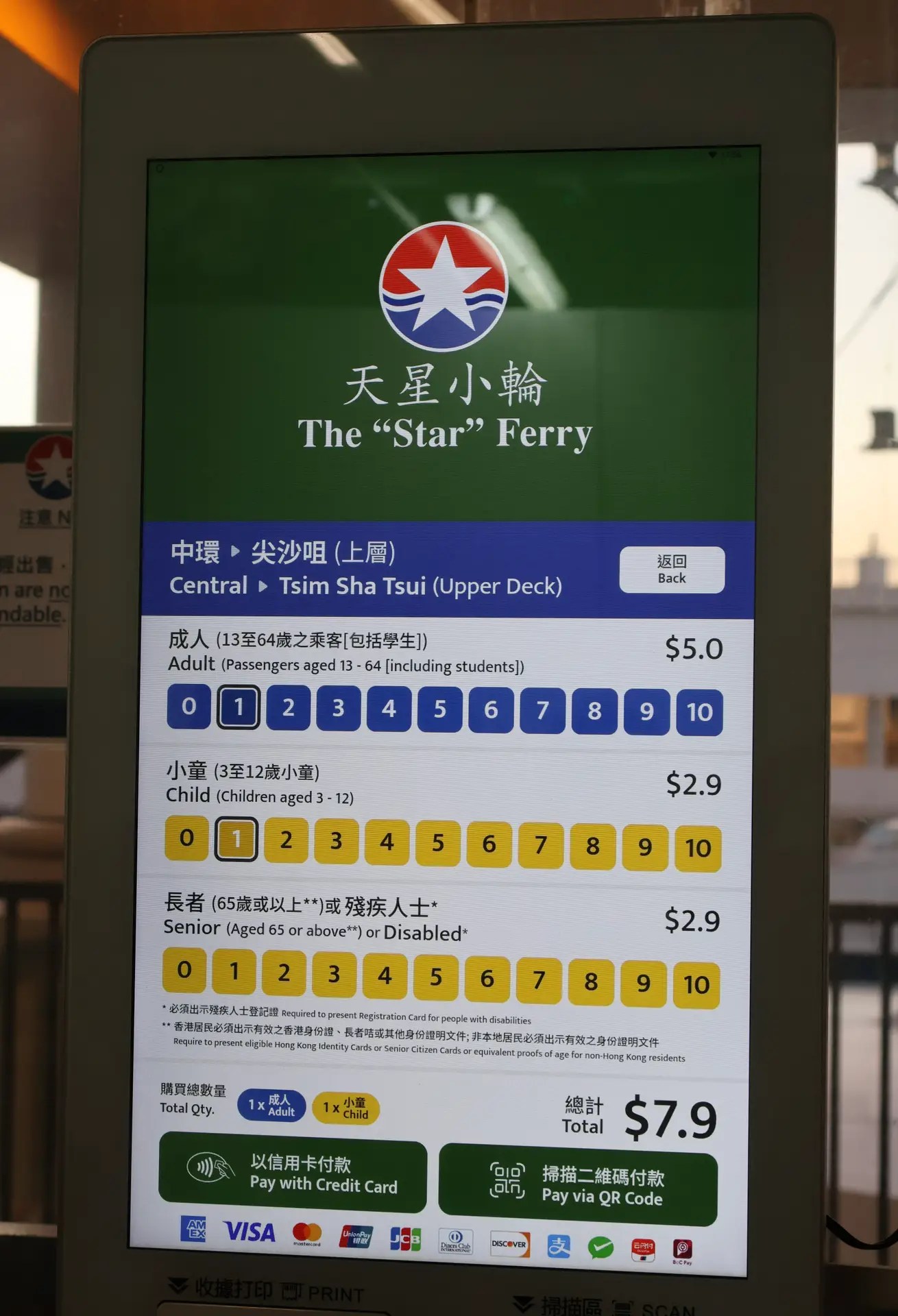
The government approved a smaller increase than the company had initially requested, while keeping the monthly ticket price unchanged at HK$190. The upcoming increase follows the previous fare adjustment in April 2023.
For some passengers, keeping the ferry running matters more than whether it remains a regular transport choice. Cheung believes becoming more of a tourist attraction is preferable to losing the service altogether.
“I would rather it become a tourist spot than just to close it down,” she said.
Lee shares this view, believing the ferry’s appeal to tourists is preferable to its disappearance. “If it’s becoming more of a tourist attraction, I think it’s fine with me. Because at least it is still alive,” she said.
Both residents believe the Star Ferry represents more than a way to cross the harbour. They believe it is a part of Hong Kong’s history worth preserving.
“It’s like a little corner, a little piece of Hong Kong original culture that is preserved in this little ferry,” Lee said.
For Cheung, the ferry also carries memories across generations. Her father, now around 60, told her that her grandmother used to take him to school by ferry when he was young, before the MTR existed. For Cheung, keeping the service running allows younger generations to experience a part of Hong Kong’s history rather than simply learn about it.
“It’s better for us to cherish what we have now than to mourn for what we used to have inside a history museum. What’s the point of it if it’s not on the street anymore? It’s just history,” Cheung said.