


At 6:30 a.m. on Oct. 12, the new Huanggang Port opened with a promise that its collaborative inspection model would cut cross-border processing from about 30 minutes to five. The facility operates 134 automated channels and 68 manual counters, allowing travelers to clear both Hong Kong and Shenzhen immigration in a single queue.
For most passengers on a typical day, the system delivers. “It was surprisingly smooth,” said Xu Wenchong, a traveler who crossed recently. “One queue, one document check, and you are through in seconds. The staff were very helpful, directing people and helping anyone who looked lost.”
Frequent commuters have noticed the difference. “I used to allow half an hour for the shuttle bus and the old clearance. Now, I just walk straight through,” said Cheng Ruixi, a junior student at Hong Kong Shue Yan University.
However, the five-minute figure refers to processing at the inspection gate. It does not account for the walk from the drop-off point to the hall, nor the onward journey. Since the opening, occasional bottlenecks have occurred under specific conditions.

When Automation Falters
While automated channels process most travelers quickly, they present barriers for some. During a recent visit, this reporter observed an elderly traveler stall at an e-channel. The screen flashed red; unsure which button to press, he stood between the sliding doors until an officer was alerted to assist him.
His experience is not an isolated case. Lawmakers, including Chan Hak-kan and Chan Han-pan, have noted similar issues during peak holiday periods. They noted that first-time users and the elderly often need staff assistance. During the Chung Yeung Festival long weekend, some travelers reported waiting up to two hours to clear immigration. Chan Hak-kan called for staff or volunteers to be stationed at every automated channel to assist with registration and fingerprint scanning.
The Midnight Rush
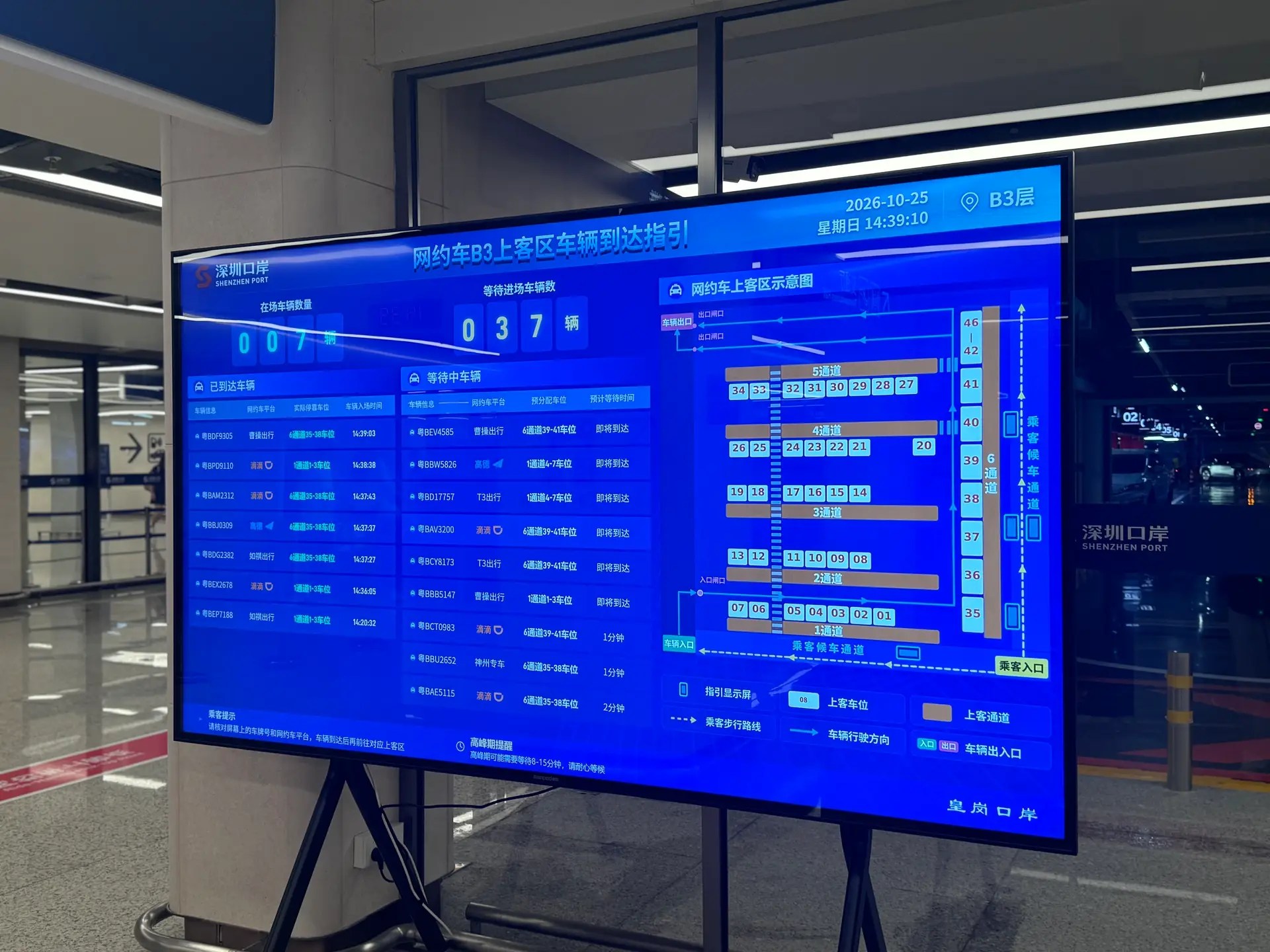
The port faced a significant test on the night of Oct. 24 to 25, when a concert by The Weeknd at Kai Tak Sports Park coincided with Halloween festivities. With most other border checkpoints closed after midnight, northbound travelers converged on Huanggang.
Between midnight and 2 a.m., 14,760 passengers crossed the border, a 212% increase over the same period at the old control point, according to government figures. At the peak hour, 9,375 people cleared in 60 minutes.
The government reported that waiting times inside the hall remained between five and 10 minutes at midnight. However, delays occurred outside the terminal. About 1,200 vehicles queued to reach the drop-off zone, with private cars facing waits of 45 to 50 minutes at peak volume. On social media platform Xiaohongshu, some concertgoers complained about the congestion.
“Inside was fast, but outside was a mess. It took me an hour just to get away,” one post read, according to Ming Pao.
The Long Walk Inside
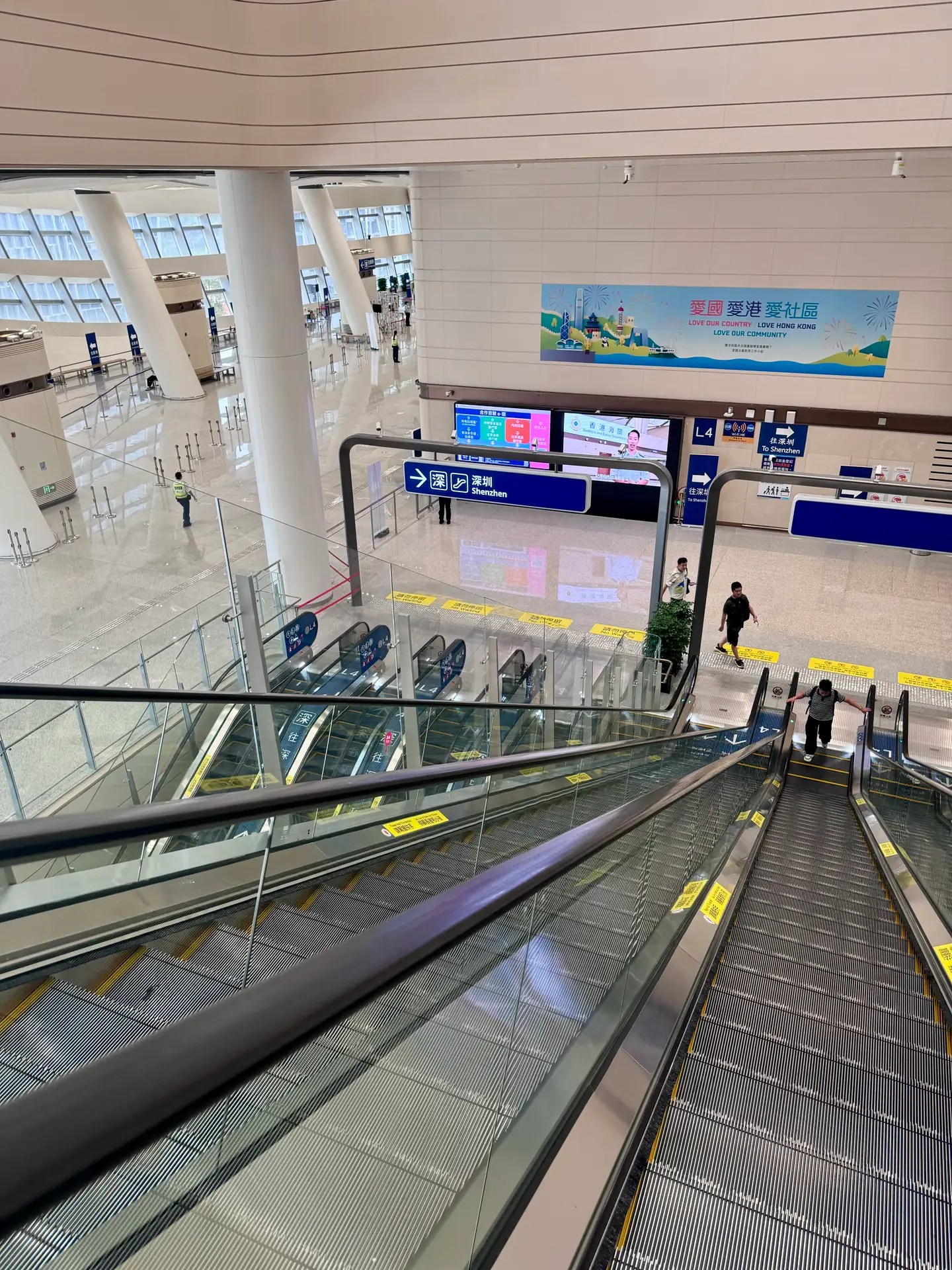
Even when the gates operate smoothly, the building’s vertical design places facilities across multiple levels due to the tight urban site. While the physical walking distance is undeniable, the port offers mitigation. Staff actively direct travelers with bulky luggage or strollers to elevators rather than escalators, and rest areas are available.
“It is a bit of a trek with suitcases, but the staff immediately pointed me and my girlfriend to the elevator when they saw us,” said Zheng Yutong, a traveler heading to Shenzhen with his girlfriend. A Hong Kong Economic Times reporter who tested the port on opening day noted that passengers must stand precisely on marked footprints for the gates to open, and that the internal walking routes may not be friendly to the elderly or those with reduced mobility.
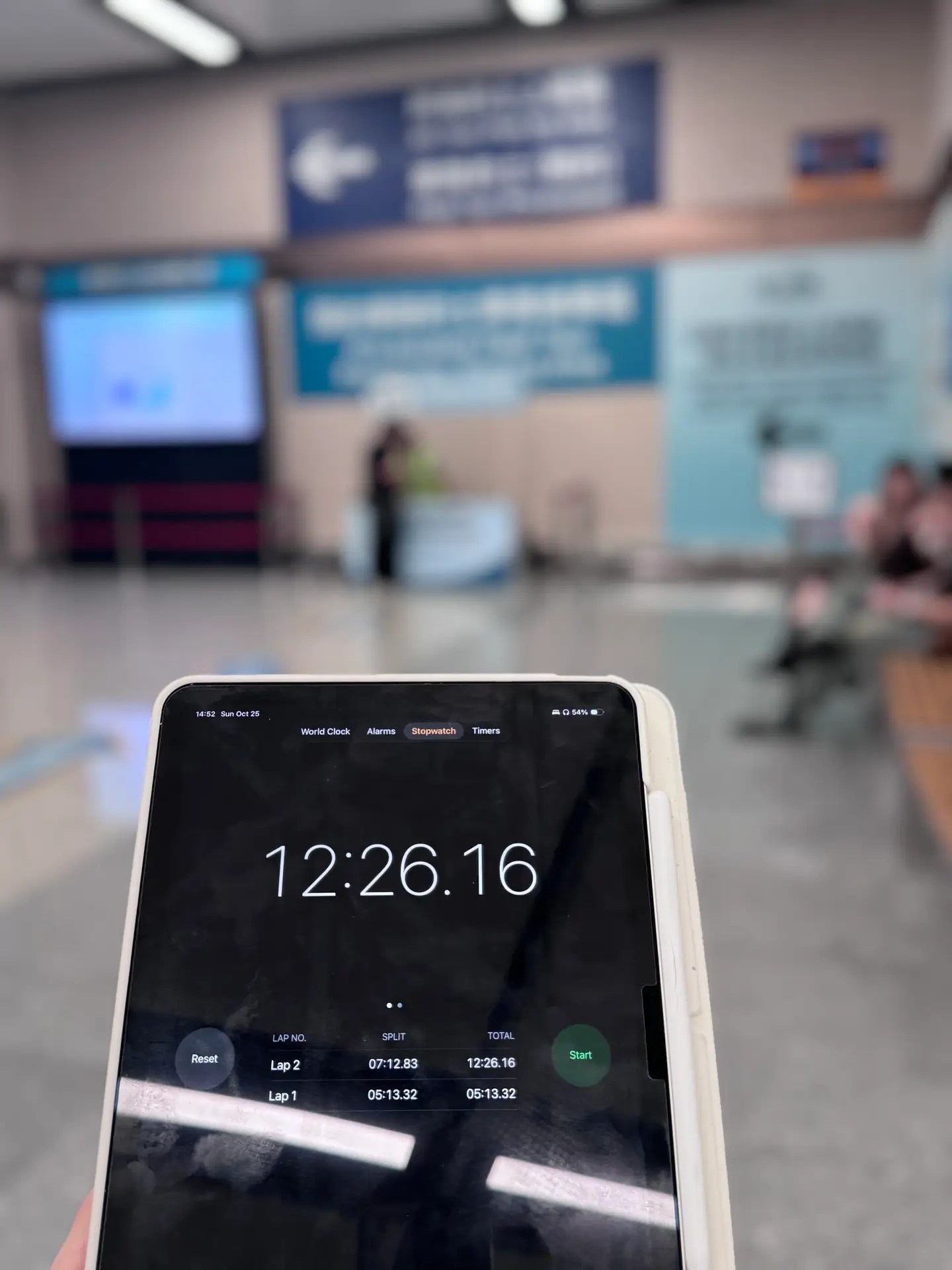
The five-minute clearance goal is largely met for most travelers. For daily commuters and weekend shoppers, the new Huanggang Port offers a significant upgrade in speed and efficiency. However, the overall border experience extends beyond the gate. It includes transport queues, internal walking distances, and accessibility for all age groups. As passenger volumes increase, maintaining service quality will require attention to both infrastructure and human assistance.
“It has indeed brought convenience to us who commute between Shenzhen and Hong Kong,” Cheng said. “Although there have been some issues during its operation.”