

As the National Day Golden Week kicked off on October 1, Hong Kong launched into a high-volume period of tourism and public celebrations. Billed as a day of citywide incentives, the 77th anniversary of the founding of the People’s Republic of China brought an array of government-backed perks designed to stimulate local spending and draw residents outdoors.
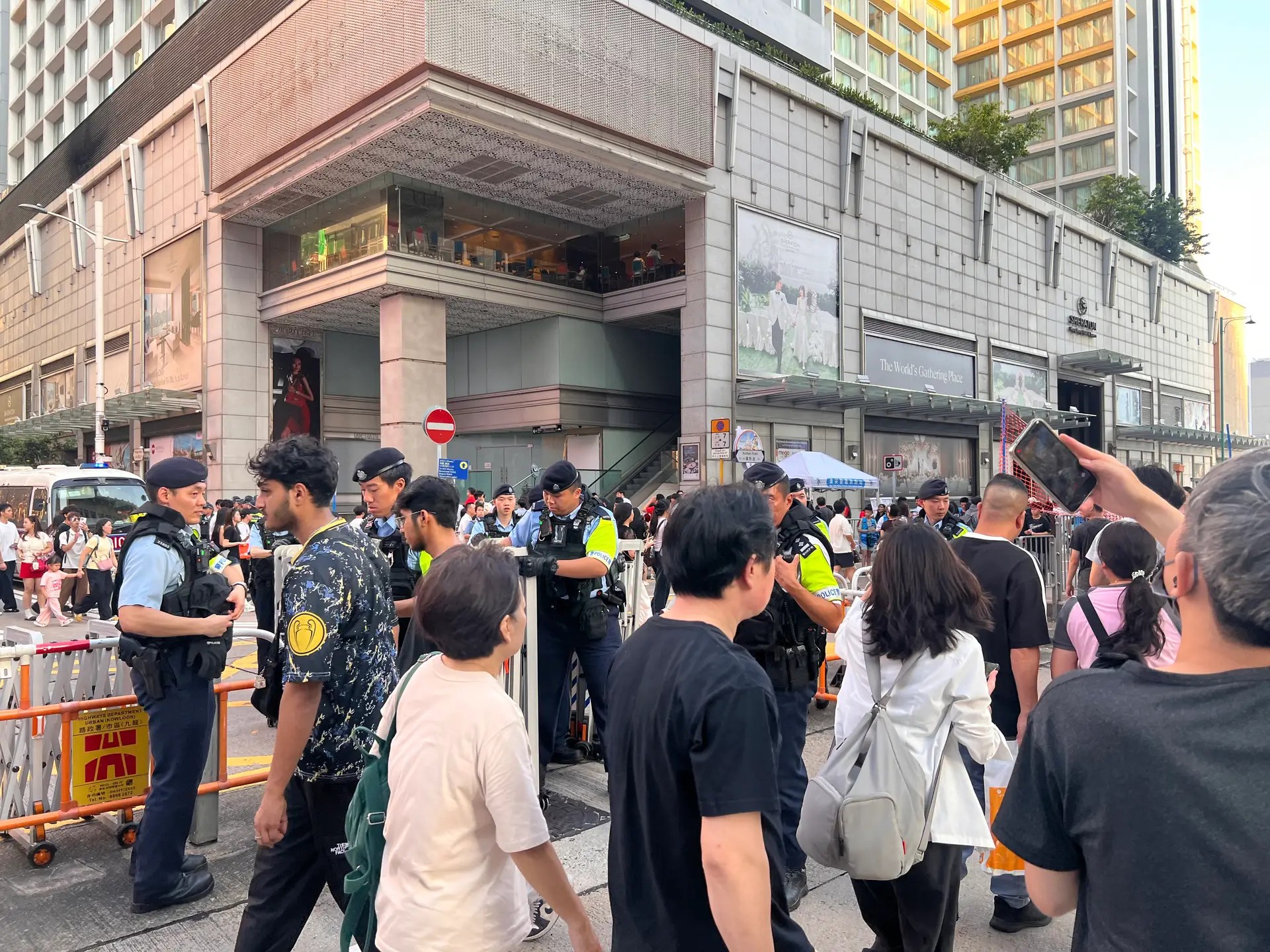
Yet on the ground, the holiday narrative quickly shifted from promotional savings to managing intense human traffic. The combination of mainland Golden Week travellers, free transit incentives and the evening fireworks created severe bottlenecks, packed MTR stations and strict crowd-control measures, especially in core districts like Tsim Sha Tsui.
To mark the anniversary, authorities issued a broad package of holiday offers for the first day of the month. These included free rides on all trams, selected free ferry services, half-price cinema tickets and 77,000 electronic single-journey MTR tickets distributed through a mobile lucky draw, according to a government press release.
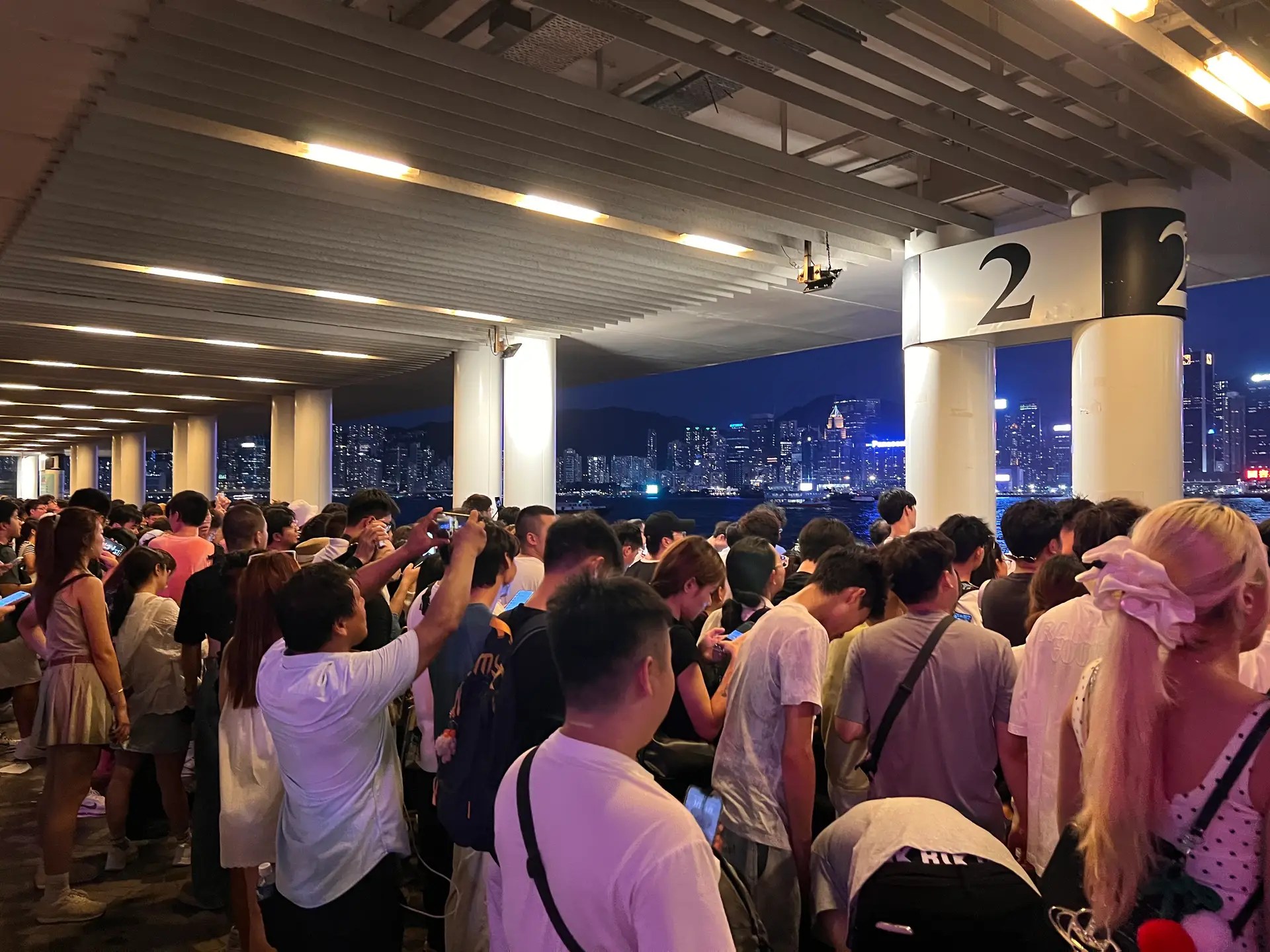
By 4pm, thousands of residents and visitors had flooded public spaces, crowding toward the Tsim Sha Tsui Promenade to secure vantage points for the 23-minute evening fireworks display.
The holiday promotions spanned dining, retail and even transit, designed to encourage residents to explore different parts of the city.
A customer shopping in Tsim Sha Tsui noted that the promotional offers directly influenced their decision to go out.
“I wasn’t intending on going out today but the discounts made it worth coming out,” said Katrina Leong, a local carrying two big plastic bags filled with toiletries and essentials outside of Lung Fung. “There were many people, but I wanted to make use of the offers.”
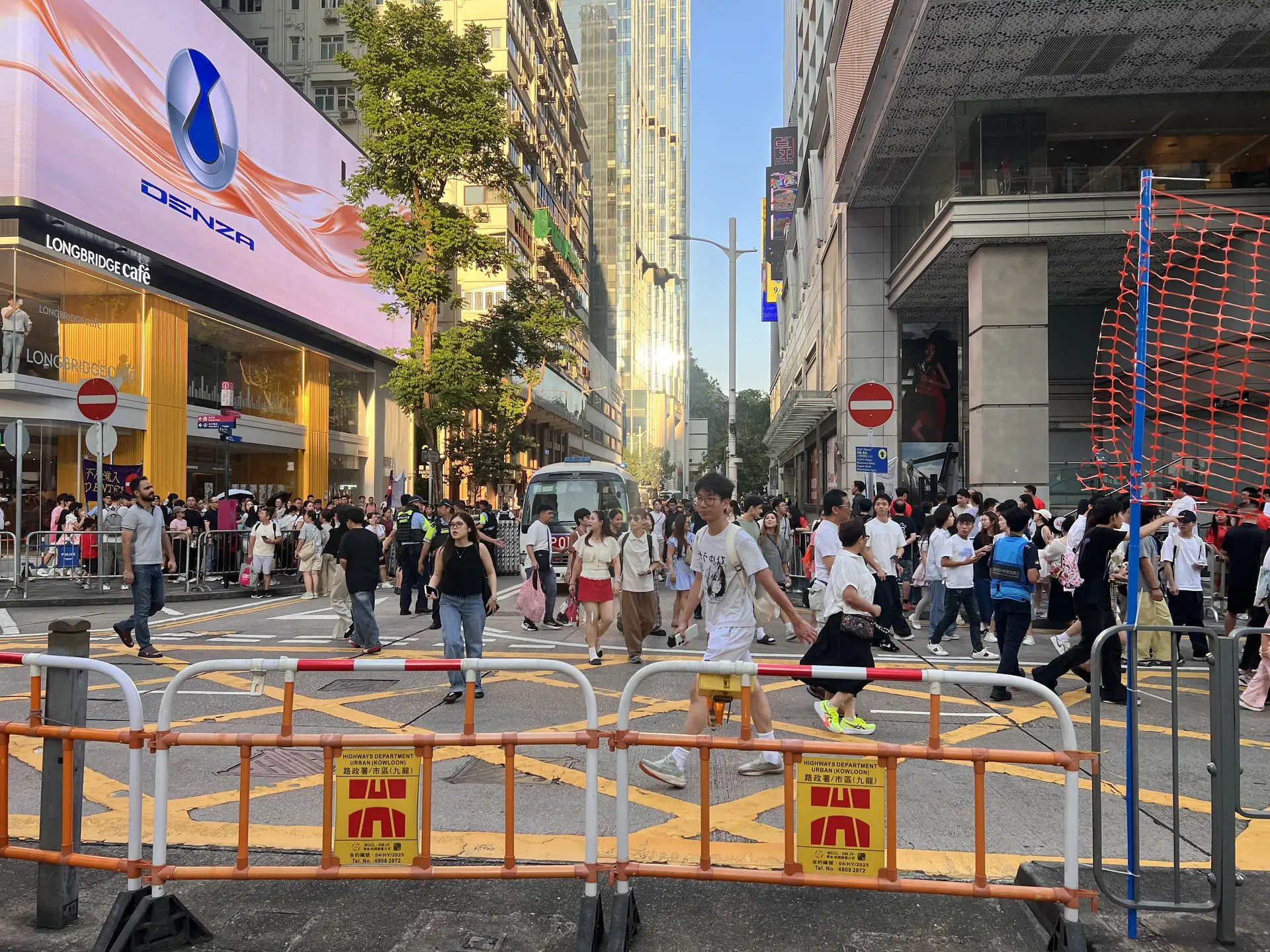
However, the surge in pedestrian volume did not uniformly benefit commercial establishments across the district. While foot traffic filled the streets, local business owners reported that heavy crowds did not automatically translate into a proportional rise in revenue.
“The spending habits of mainland visitors have drastically changed in the past couple of years, as the majority do not intend to spend much on meals during their visit,” said Jacky Ng, the owner and co-founder of the restaurant Check In Taipei.
“Nowadays the F&B industry does not look forward to holidays. Most visitors these days prefer to “citywalk”, find local cheap eats, go sight-seeing, and most significantly, they are on day trips, leaving back to China at night time,” Ng notes.
The disparity revealed a common holiday challenge: high visibility and crowded walkways do not always convert into active customer spending or steady restaurant patronage.
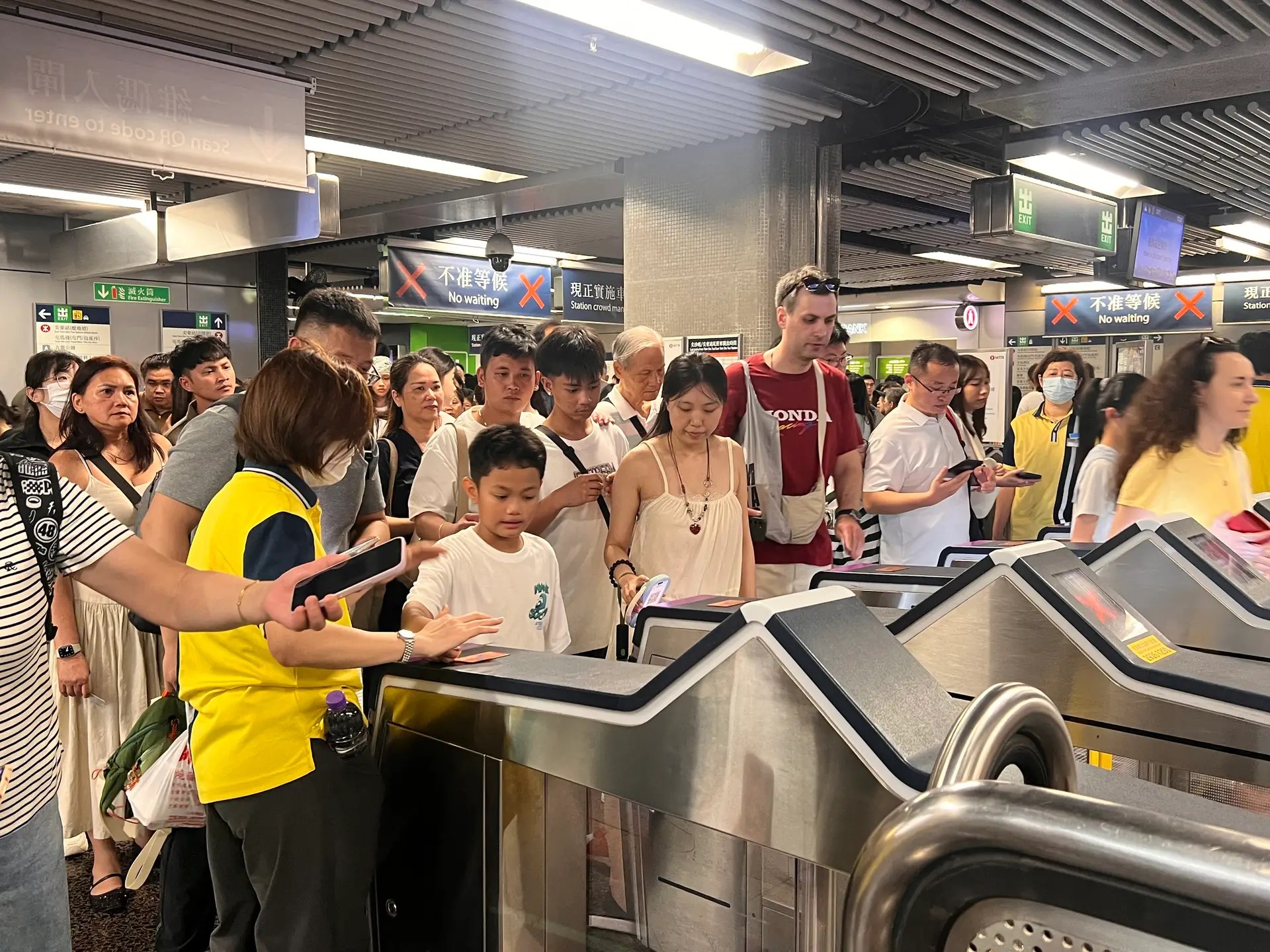
As the backbone of the city’s transit network, the MTR corporation implemented enhanced train services to accommodate passengers traveling to holiday events and the evening fireworks.
Despite these adjustments, stations experienced heavy operational strain. At Tsim Sha Tsui station, commuters encountered dense congestion both on platforms and across surrounding concourses. Station staff implemented temporary crowd-control measures, directing passengers away from standard thoroughfares and through restricted exit routes.
“There were so many people in the MTR that it was difficult to figure out where to go,” said Ronak Gajwani, a Lingnan University student. “Even after getting off the train, the big swarm of people going in one direction forces you to follow and lead you elsewhere.”
For many travellers, the journey’s primary delay occurred after disembarking, as they attempted to navigate upward toward street level. To manage the influx, police and transport authorities enacted phased road closures and traffic diversions around Tsim Sha Tsui starting at 5pm, hours before the fireworks began.
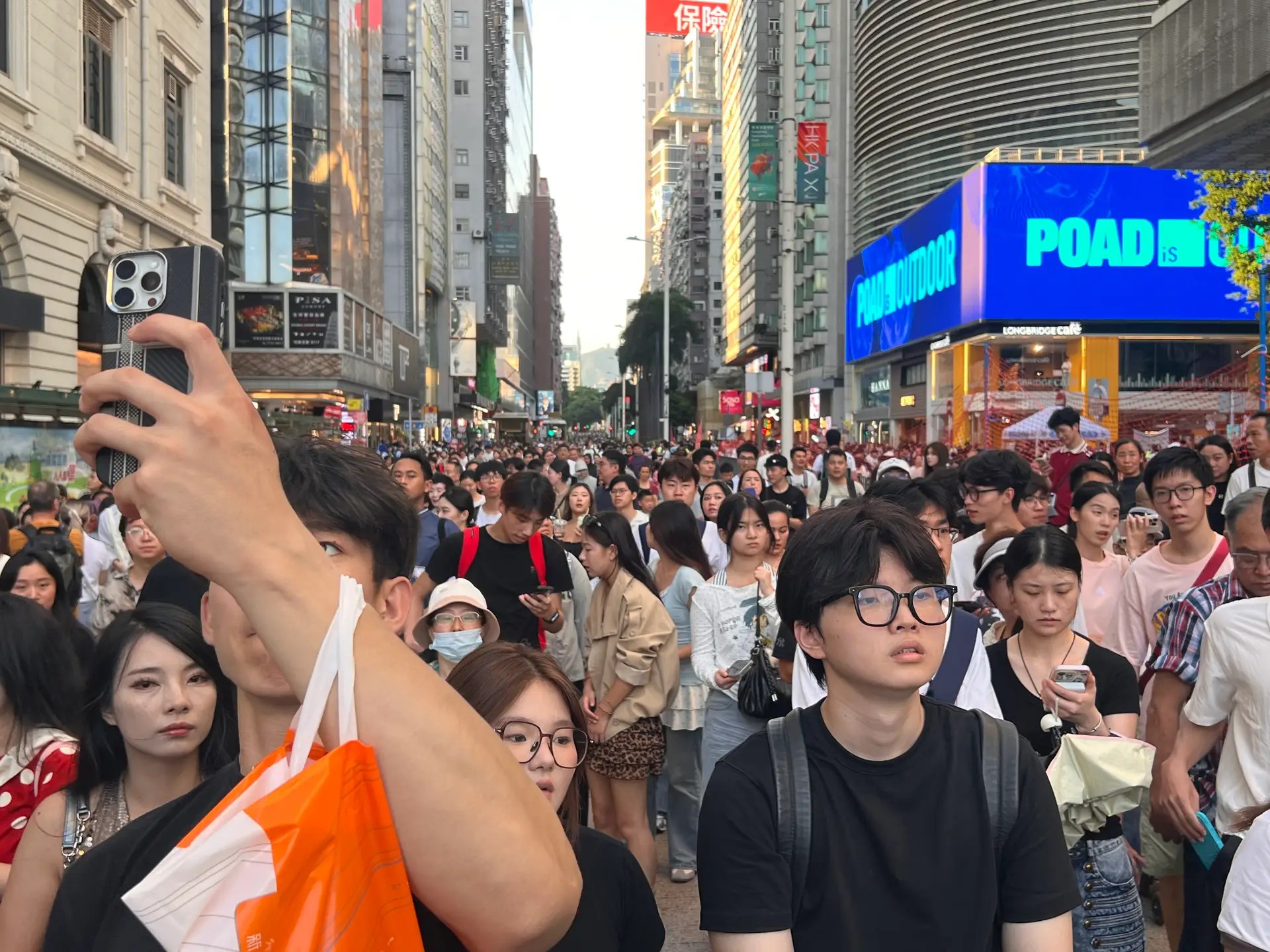
By late afternoon, the Tsim Sha Tsui waterfront, the Star Ferry concourse and adjacent streets were filled to capacity as visitors staked out viewing spaces along Victoria Harbour.
A mainland visitor from Shanghai explained that she and her family planned ahead for the congestion by arriving hours before the scheduled 8pm fireworks display.
“We arrived several hours early because we didn’t want to get stuck in human traffic,” said Shao An Yan. “We brought mats and extra water bottles to sit down and wait because we knew it would take a while.”
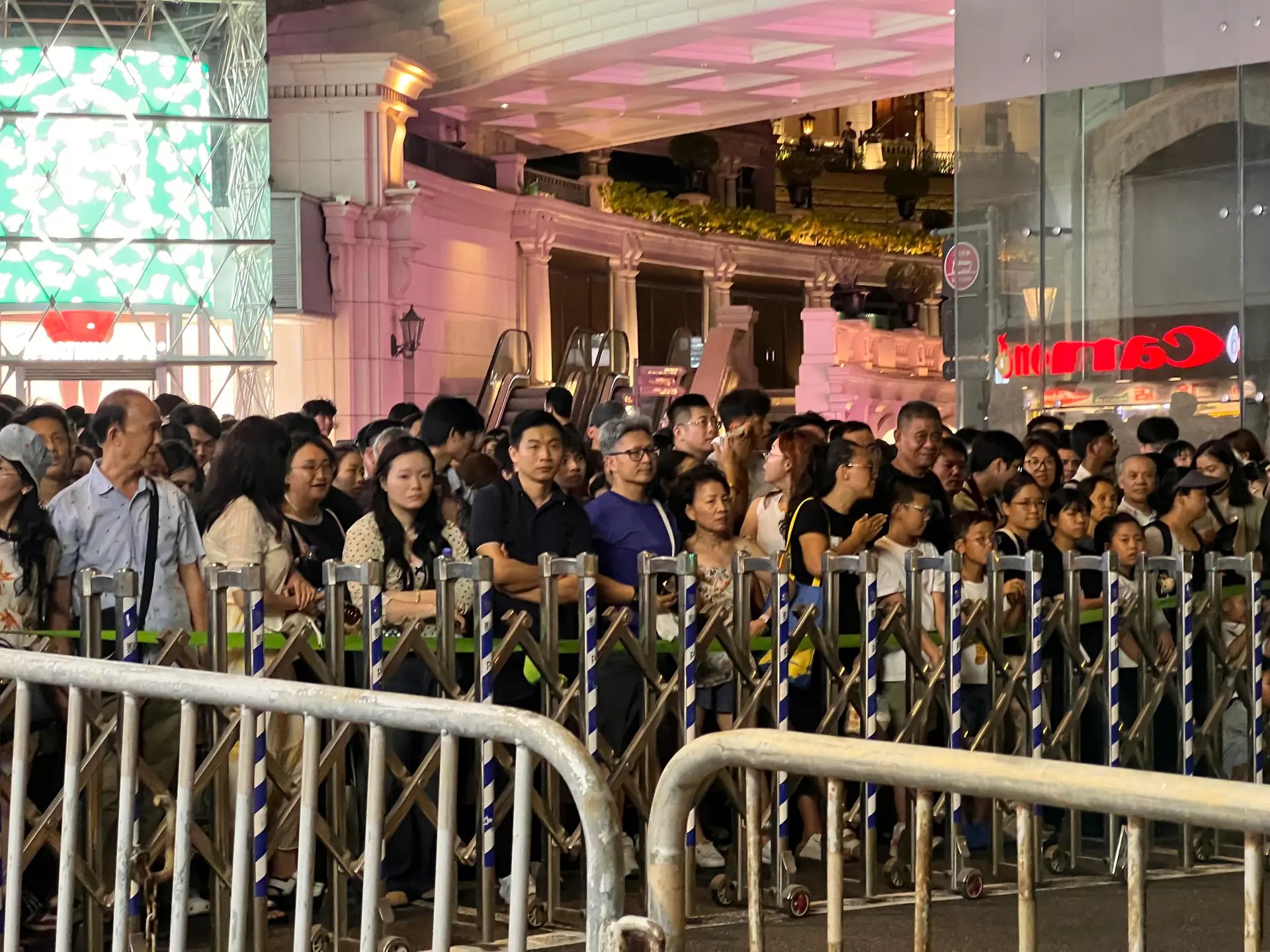
As more pedestrians kept coming, access routes narrowed significantly, requiring visitors to move in tight and managed queues under the supervision of police barriers. While visitors and tourists embraced the high-energy environment, the intense congestion prompted others to alter their plans entirely.
One local resident stated that the sheer volume of foot traffic on the streets made staying indoors the more preferable option.
“This has been one of the busiest National Days I have seen,” said Priyanshi Shah. “When I saw how much foot traffic there was, I decided it was better to stay at home and catch up on schoolwork.”
This split reaction highlighted how Golden Week promotions can simultaneously encourage widespread public participation while driving local residents away from major commercial hubs.
National Day successfully met its objective of driving public engagement through targeted discounts, free transit options and major events. Though, the resulting congestion shaped the holiday experience, dividing the public between those who navigated the packed streets and those who chose to avoid the district altogether.