

On September 16, the city unveiled its first Five-Year Plan for Economic and Social Development, covering years 2026 to 2030. Nearly three decades since the handover in 1997, the plan is another example of how the city is developing within the framework of the “one country, two systems” while becoming more strategically connected with Mainland China’s economy.
For Hong Kong, this is the first time the city has adopted its own five-year development plan, which includes 105 indicators covering areas including economic development, housing, population, talent, infrastructure, and the environment.
Here are five key areas to understand what Hong Kong’s government is planning for the next five years.
-
Northern Metropolis: New land opportunity for future development
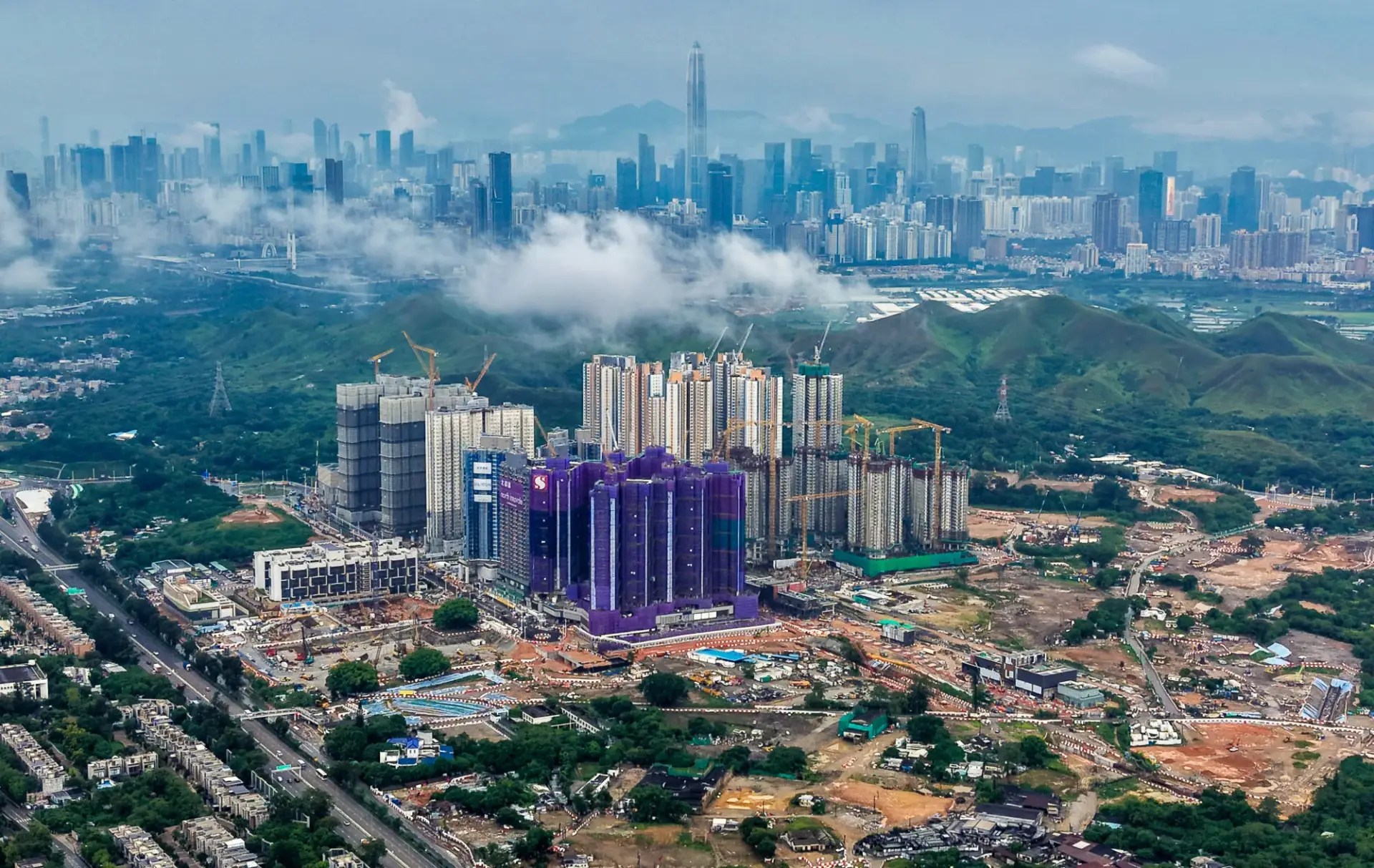
One of the biggest changes in Hong Kong’s physical development will be the Northern Metropolis, with investments over HK$150 billion. The area covers about 30,000 hectares, roughly one-third of Hong Kong’s total land area, and its size is roughly comparable to the combined area of Hong Kong Island and Kowloon. The government describes this strategy as “South Finance, North Innovation and Technology.”
Once it is fully developed, the area is expected to accommodate about 2.5 million people and create thousands of jobs. The traditional urban area in the South will continue to focus on finance and professional services, while the Northern Metropolis will become a major base for innovation and technology, education, and new industries.
-
Reinforcing Hong Kong’s International Competitiveness
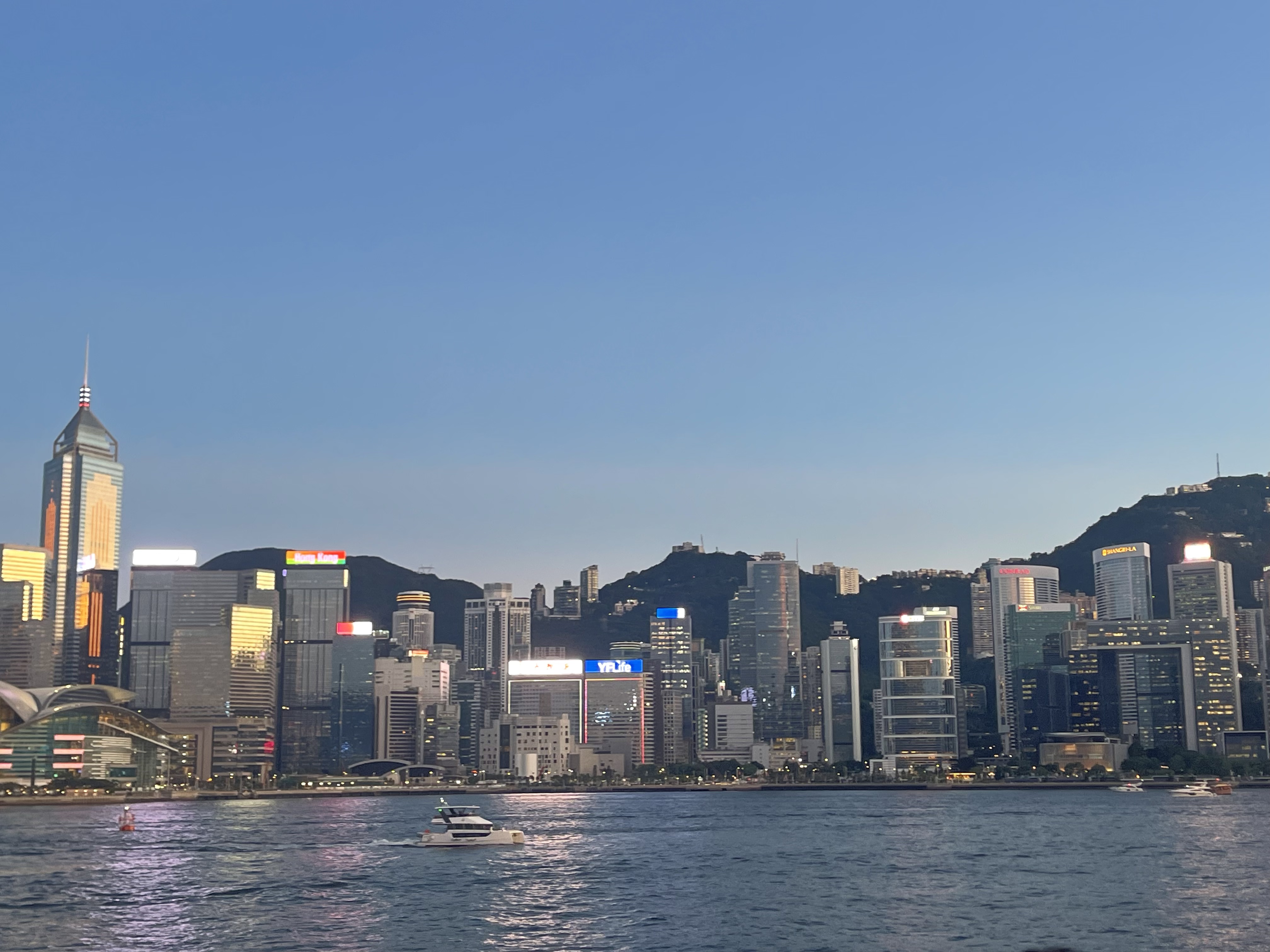
The Five-Year Plan aims to retain Hong Kong’s traditional economic system, as well as to strengthen its existing advantages.
The city will continue to rely on its international financial system, own currency, common law system, and global professional services. The government hopes to strengthen Hong Kong’s role as an international legal and professional services centre, improve intellectual property protection, and attract more international talent. For Mainland companies, Hong Kong can continue to serve as a “springboard” between the mainland and international markets.
-
Population: Livelihood Improvement for Future Development

Hong Kong faces a demographic challenge: an aging population combined with a low birth rate. The government is therefore approaching population growth from two directions: encouraging local families to have children and attracting people from outside Hong Kong.
For local families, the government introduced an 11-measure package to promote fertility. For example, it will continue the existing policy and adds a HK30,000 monetary scheme for families aiming for a second or later child. Child tax allowance will increase from HK160,000, and other measures include housing priority, expanded child care, more assisted reproduction, and a stamp-duty waiver of up to HK$20,000.
The second part of the population strategy is attracting people from outside Hong Kong. Hong Kong already operates several talent admission schemes, including the Top Talent Pass Scheme and the Quality Migrant Admission Scheme. In order to maximize the inflow of talent attracted by these schemes, a recent target has been set to increase the number of non-local students in full-time locally accredited post-secondary programmes from 79,800 in the 2024-25 academic year to 100,000 by 2029-30.
-
Housing: a 40-30-30 Structure

For local Hong Kong residents, the government has set out a 40-30-30 distribution for future housing supply: 40% public rental housing, 30% subsidised sale flats, and 30% private residential properties.
The government also wants to address the problem of substandard subdivided units and has set a target of resolving the issue in residential buildings by 2030. After five years, the government expects around almost 200,000 public housing units to be produced, including 30,000 light public housing units.
-
Sustainability: Building a Greener City

The final section of the plan focuses on sustainability, setting out several measurable environmental targets for 2030. As Chief Executive John Lee said, “We will promote continuous optimisation of the energy mix and maintain the stability of electricity tariffs.”
The government aims to cut carbon emissions per unit of GDP by 32.5% from 2024 levels, increase the share of zero-carbon energy in electricity generation from 25% in 2024 to 30%, reduce average ambient PM2.5 concentrations from 15 micrograms per cubic meter to below 14, and raise the overall compliance rate with Hong Kong’s surface water quality objectives from 88% to above 90%.
What Does the First Five-Year Plan Mean to Hong Kong?
Hong Kong’s Five-Year Plan this time is provides guiding direction for the government’s planning and arrangements in the coming years. The development of the Northern Metropolis gives the city a new engine for development opportunities, setting Hong Kong’s future industrial planning on a technology innovative-oriented path, rather than relying heavily on the financial sector as before. The Hong Kong government is also continuously attracting talent, and providing subsidies and benefits for childbirth. These have written a new blueprint for the city’s future development.