

Experts say the one- to three-kilogram jump after festive feasts like poon choi (basin food), nian gao (Chinese New Year sticky rice cake) and hotpot is often temporary swelling instead of fat. A simple science-backed approach can help to bounce back in several days.
Chinese New Year (CNY) is a time for family reunions and joyful gatherings, with lavish feasts shared among loved ones or guests. However, after frequent banquets, especially indulging in high calories, salt and sugar holiday staples like steaming poon choi, sticky nian gao and oily hotpot, many Hongkongers notice a sharp weight increase, tighter waistbands, and noticeable swelling once the holiday ends, sparking anxiety.


Yang Yi Kwan, a university student from Hong Kong shared her experience, “ I gained about three pounds after CNY. I was so shocked and doubting life! My face looked so round on the camera!”
The good news? Qing Mu, a nutrition meal planner explains that most of this short-term weight gain isn’t true fat gain. “It’s largely water retention,” she says. “It can reverse within a week with proper dietary adjustments and moderate exercise, no extreme dieting or excessive workout required.”
Why Post-CNY Weight Gain Happens?
Vivian, a Senior Nutritionist told Sky Post HK, rapid weight jumps stem from fluid retention rather than fat. The Economic Daily News from Taiwan has also quoted obesity expert Weng Jinghui that high-salt and high-carbonhydrate diets cause sodium retention, with every gram of glycogen stored in the body binding approximately three grams of water.
Many people experience this firsthand through holiday indulgence. Yang shared her own routine, “I ate lots of street snacks like grilled and fried skewers as well as sweet soup almost every day. My eating schedule was completely irregular, and I often had late-night suppers.”

Qing noted that festive heavy dishes like cured meats, braised items, and hot pot are extremely high in salt. They contain excessive sodium that disrupts electrolyte balance, prompting the body to retain large amounts of water to dilute sodium concentration, resulting in high-sodium edema.

She added that high-sugar snacks and refined carbs (such as nian gao and desserts) cause rapid insulin surges. Insulin, an anabolic hormone, regulates energy storage and metabolism. “Beyond lowering blood sugar, it acts as a ‘fat-storing hormone’ that suppresses fat breakdown while promoting water and glycogen retention in the body,” said Qing.
3 Tips for Dietary Adjustment
Qing recommends focusing on salt control, potassium supplementation, and meal structure reset. Here are key suggestions:
- High-Potassium Foods Intake
Aim for daily intake of potassium-rich ingredients like spinach, broccoli, mushrooms and bananas. Potassium helps displace excess sodium from high-salt diets, fostering excretion through metabolism.
- Meal Sequencing
Studies indicate that meal sequencing reduces post-meal blood sugar spikes. This strategy prioritises fiber-rich vegetables and fruits, followed by protein-rich foods, with carbohydrates last. Fox News reported that fiber in vegetables and fruits slows digestion, while protein and healthy fats boost satiety and delay glucose absorption. Ultimately, control carb portions intake and avoid fat accumulation caused by a sudden spike in blood sugar.
- Don’t Skimp on Healthy Fats
Healthy fats, such as Omega-3 fatty acids improve insulin sensitivity, reduce fat mass and alleviate metabolic disorders. These fats are less likely to promote insulin resistance, inflammation and fat storage, reported by SCMP.
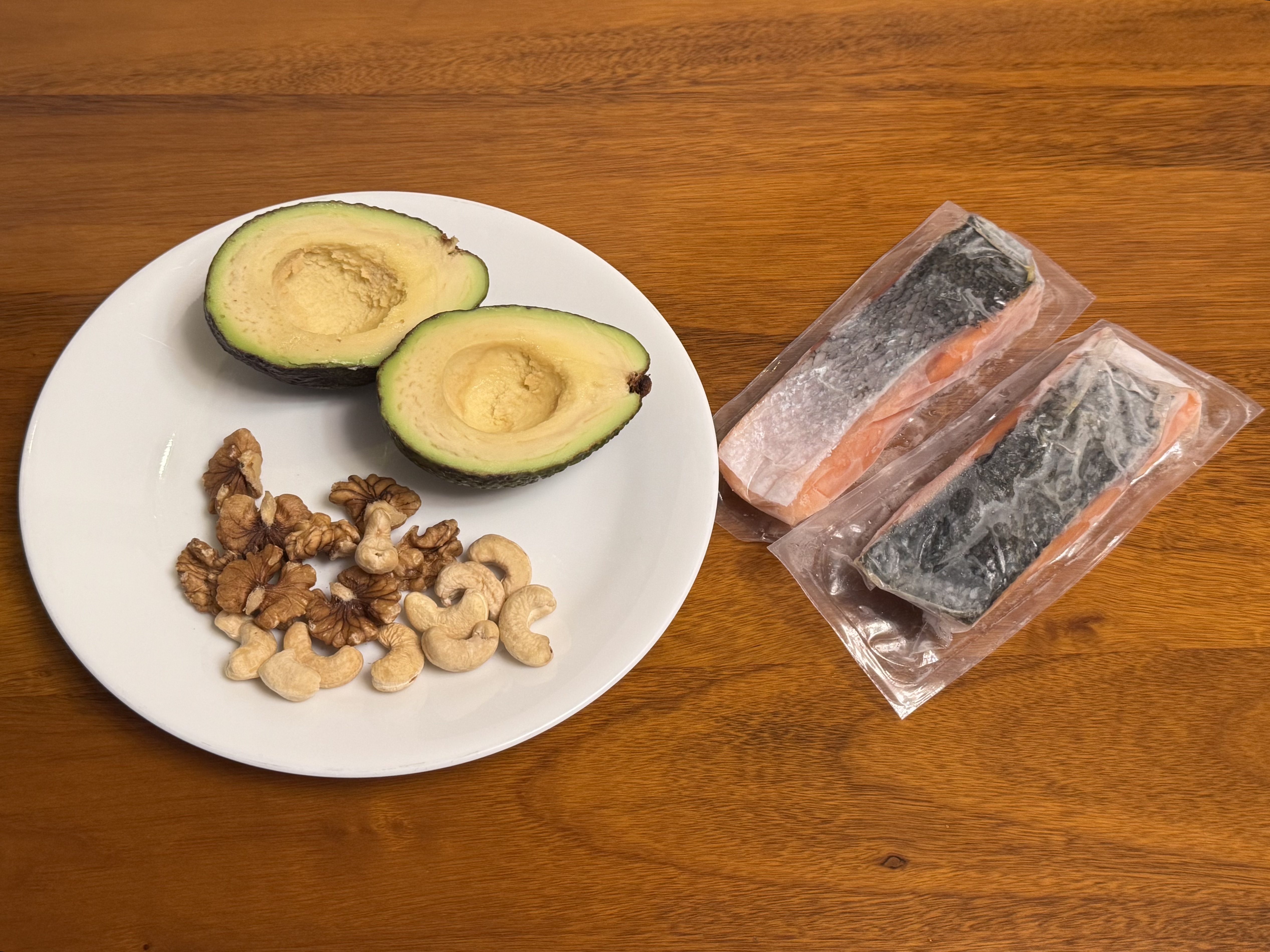
Common sources include:
- Fish: mackerel, salmon, ocean trout, sardines
- Nuts and seeds: flaxseeds, walnuts, almonds, cashews
- Fruits: avocado, olive
Many fear fats during weight loss, Qing advised, “adding a small handful of nuts or a spoonful of flaxseed oil to breakfast provides unsaturated fatty acids that help emulsify and metabolize existing ‘bad fats’ in the body, boosting overall metabolic efficiency.”
Exercise Recovery
Exercise post-holiday is a popular choice. Yang plans daily gym runs or following workout videos to rebuild her routine.
Qing suggests tailoring movement to lifestyle. For busy professionals, brisk walking or strolling to a heart rate of 120-150 bpm can burn fat in 30-40 minutes. Those with lighter workloads and flexible time can combine strength training with cardio to build muscle, which raises basal metabolic rate, and burn calories even at rest.

“Post-holiday anxiety” is widespread, with media posts griping about gaining lots of weight during the holiday. Yang reflected, “Honestly, there’s some anxiety, but it’s just a number. The eating was joyful, and the New Year comes only once a year for full indulgence, so no big deal. It’ll go back down eventually.”
I think I gained a lot of weight recently… Chinese New Year are always companied by a lot lot of delicious food. Even my belly hasn’t gotten smaller these days.
— Aurora•᷄ v •᷅ (@Inflation9Belly) February 20, 2026
Qing echoes this, “Many customers fear carbs and cut them completely, which damages metabolism and risks binge eating.” She advises swapping refined rice and flour for whole grains like corn and sweet potatoes, rather than extreme dieting.