

Hong Kong Zoological and Botanical Gardens (HKZBG) has confirmed that 12 monkeys have died since mid-October. While the authorities had not announced beforehand that these monkeys would be placed under quarantine. Kelvin Yueng, Secretary of Culture, Sports and Tourism, explained that quarantining animals is a standard procedure and maintained that the overall response measures taken were adequate.
Pathological testing showed that 11 monkeys that died earlier had sepsis caused by the bacteria Burkholderia pseudomallei. Similar lesions were found in the 12th monkey that passed away on 22 October, and tests are ongoing to determine the exact cause of death.
Yueng said that the outbreak may have started when the earth was moved during irrigation pipe repairs in early October. Employees may have tracked some soil containing the bacteria into the monkeys’ enclosures, exposing the monkeys directly. Infected monkeys contain high concentrations of the germs and can be infected through close contact with other monkeys. Therefore, a large number of bacteria were found in the monkey’s liver, confirming the presence of Burkholderia pseudomallei.
Thomas Sit, Assistant Director of the Agriculture, Fisheries and Conservation Department, said melioidosis is commonly found in soil and water in Hong Kong. “There have been sporadic cases in Hong Kong animals. This time the monkeys are exotic species. According to foreign experience, these monkeys are particularly susceptible to melioidosis,” Sit said.
The Leisure and Cultural Services Department will continue to close the Mammals zone of the HKZBG to closely monitor the health conditions of the animals. At present, the health conditions of more than 70 mammals are normal. The LCSD will also continue providing protective gear and health monitoring for staff caring for animals. The health conditions of the staff concerned are normal.
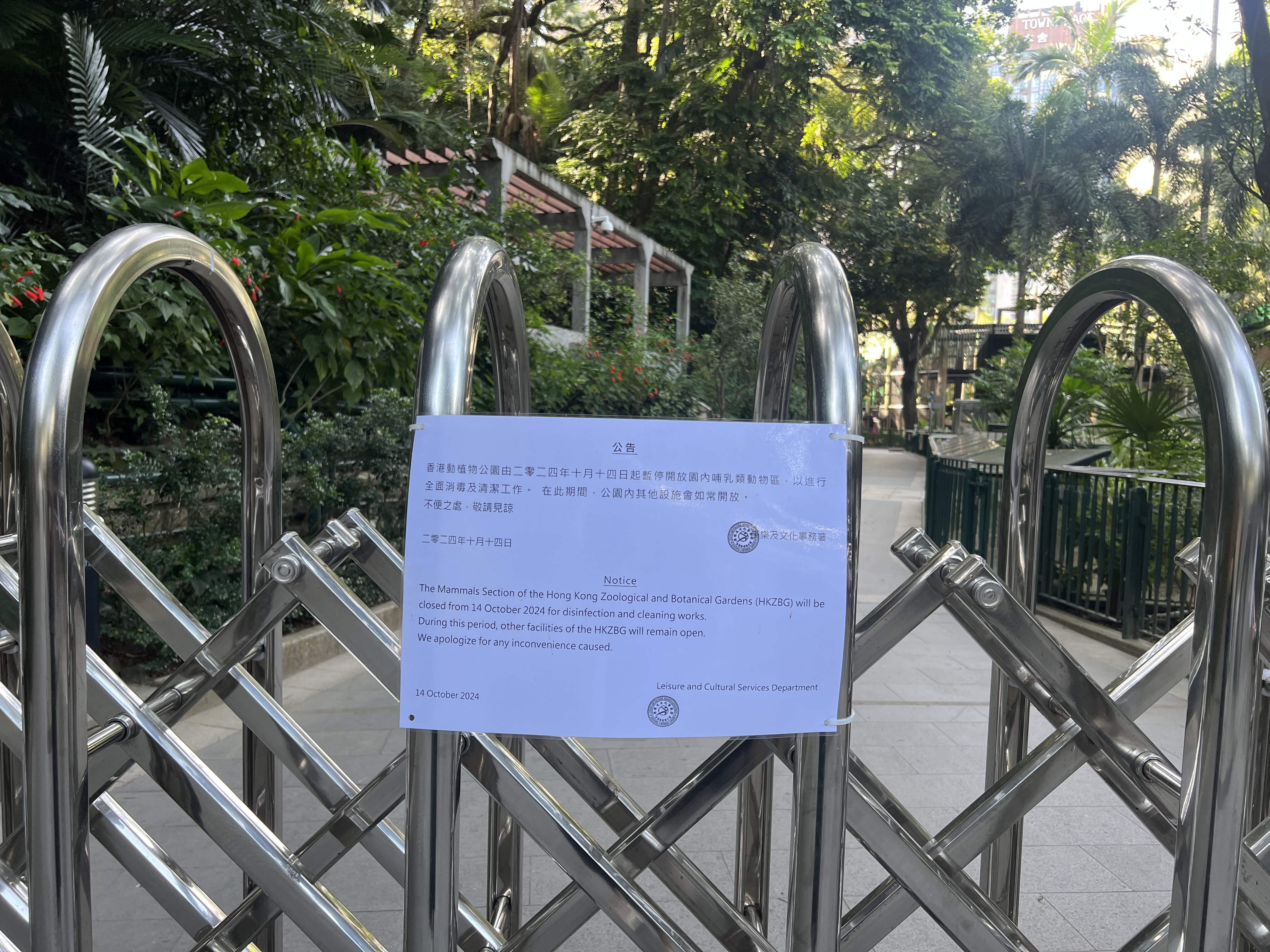
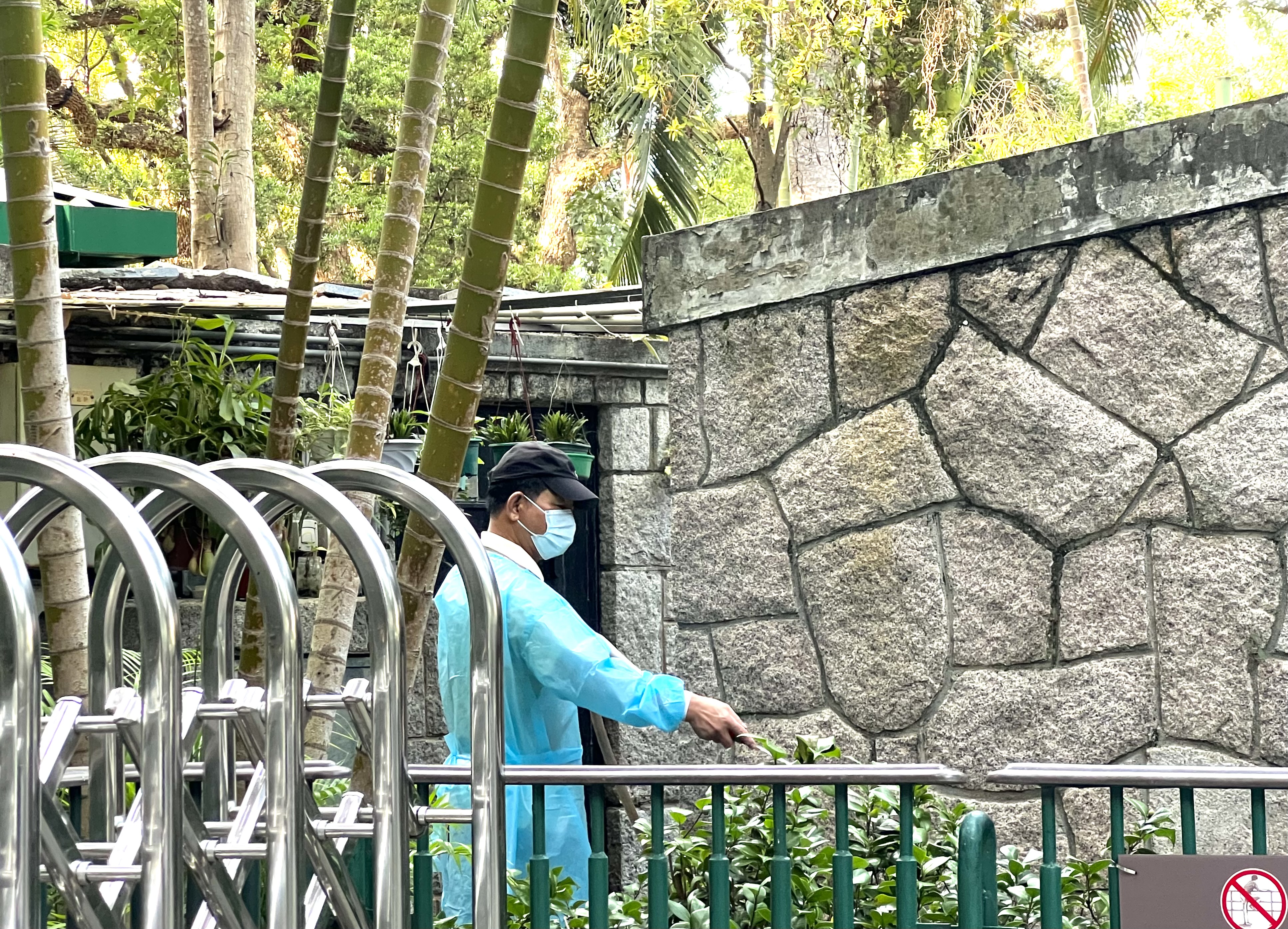
During this period, other facilities will be open as usual. Visitors can still visit and view monkeys in their enclosures from the zone entrance, where security and caregivers wear precautions like masks and protective clothing.
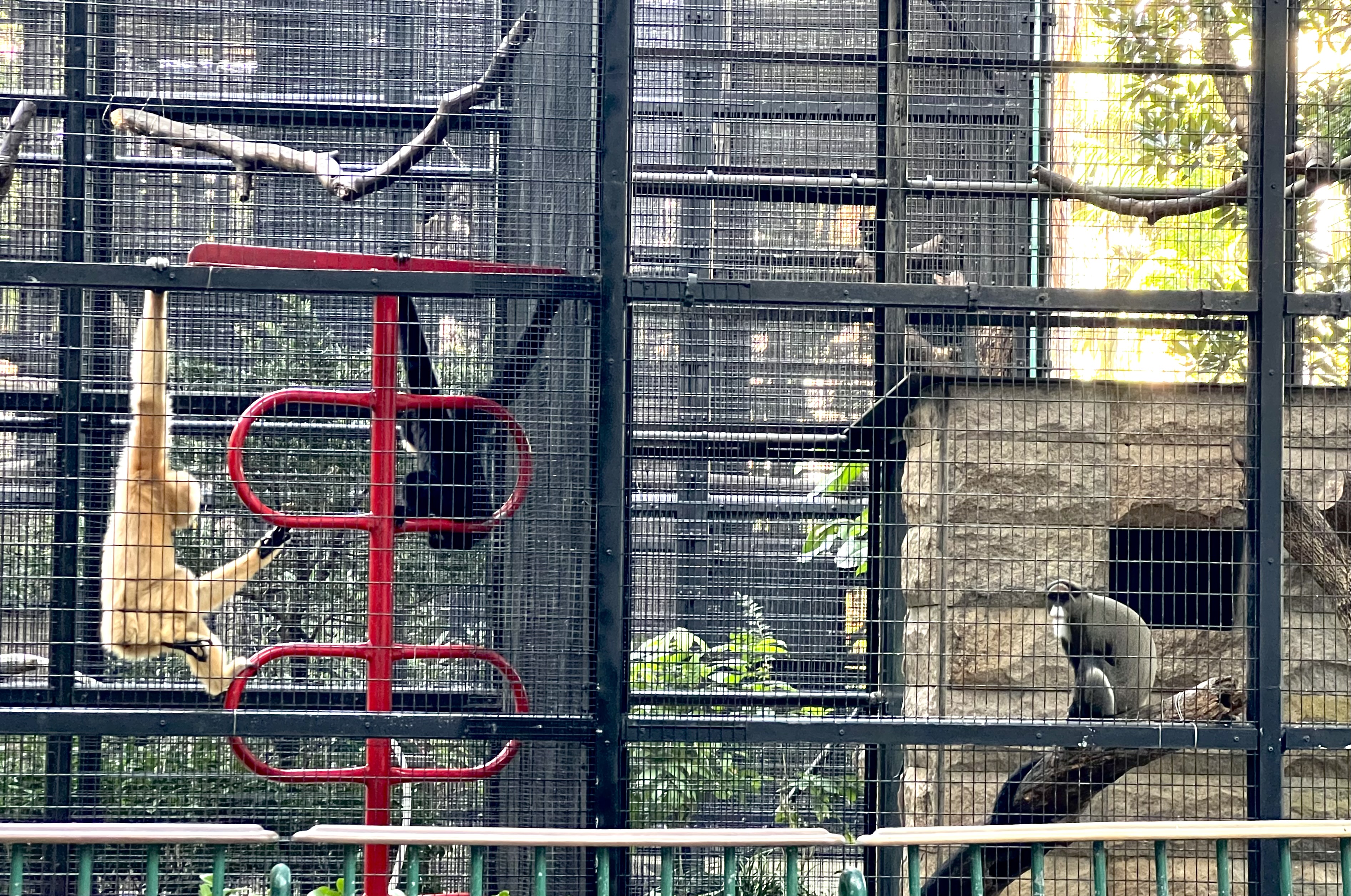
Silvia Christiansen had brought her daughter to visit the garden from Southern District but noticed upon arrival that the mammal zone was closed. She said “We weren’t aware the zone would be shut before coming here, so it’s a little disappointing. I feel bad for the monkeys that passed away, since it was so many of them. However, I’m not personally worried about it.”
Currently, there is no vaccine available for melioidosis. According to PubMed Central (PMC), treatment typically involves antibiotics. However, pseudomallei is known for its intrinsic resistance to many antibiotics, making management of the infection challenging.
According to the Department of Health, preventive measures focus on reducing exposure to contaminated environments, especially during heavy rainfall or storms when the bacteria are more likely to be present on the surface of the soil.