

Ho Yui Cheung, a 34-year-old man, has been charged with three counts in total—two for attempted cruelty to animals and one for possession of an offensive weapon on October 26, according to the West Kowloon Magistrates’ Court.
The man is suspected of putting rat poison into the food of stray cats in the early hours of October 24 in Shek Kip Mei Park. Animal welfare volunteers and neighbors first found and stopped him. The matter was then referred to the police. Subsequently, police found rat poison and a 14-centimeter-long fruit knife on the man and arrested him.
The arrest has brought renewed attention to whether Hong Kong’s animal-cruelty laws and enforcement resources are sufficient to protect stray animals. Hong Kong society organizations, including the Society for the Prevention of Cruelty to Animals (SPCA), are calling for a reform of Hong Kong’s Prevention of Cruelty to Animals Ordinance (Cap. 169). The law focuses on punishing cruelty after animals have suffered, while the SPCA suggests it should also set a clear duty of care and allow earlier intervention. Its proposals include empowering officers to issue improvement notices, closing legal loopholes, and strengthening enforcement and penalties.
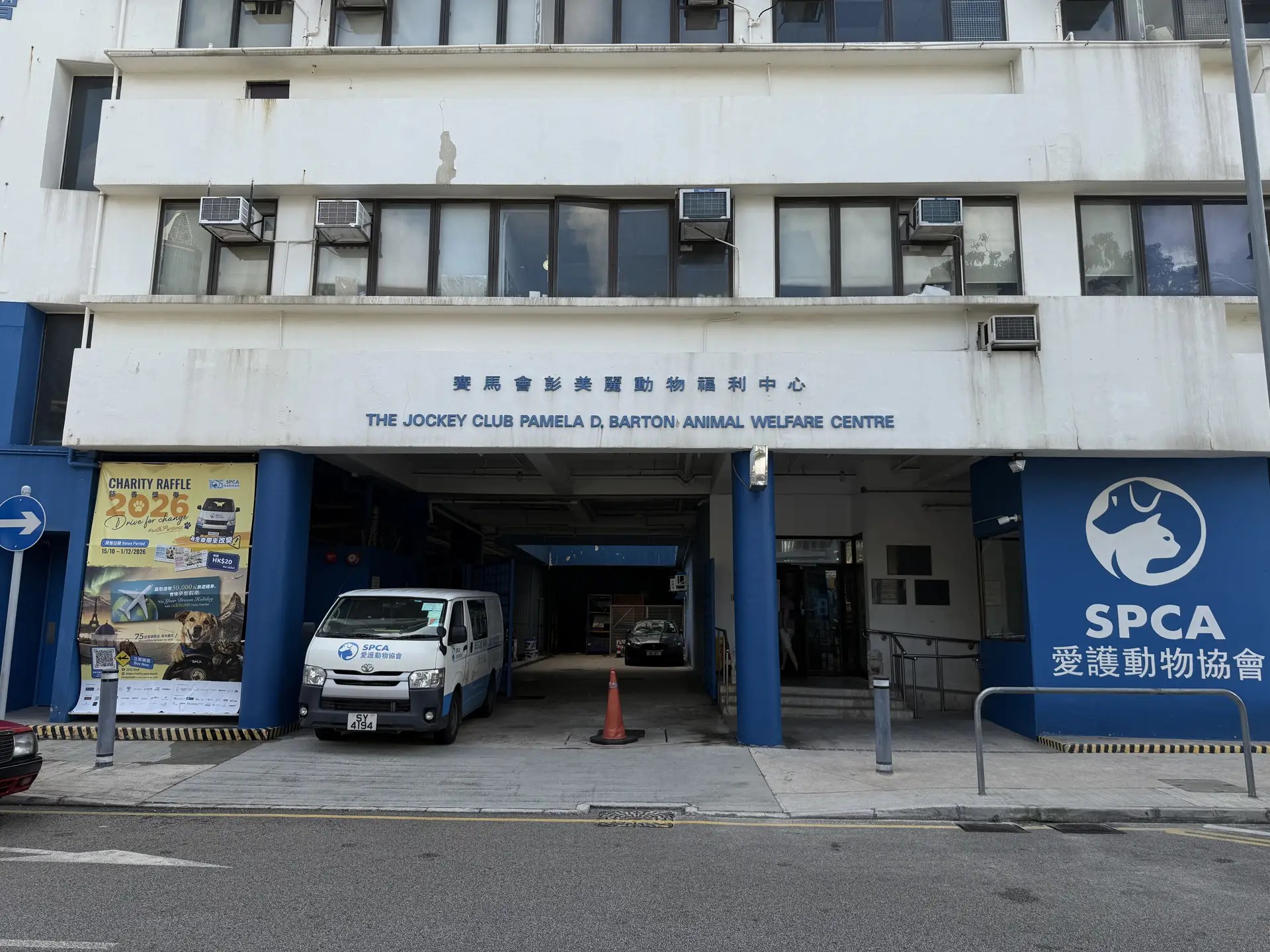
Photo: Cai Shengqi
“More manpower and resources should be allocated to tackle animal-poisoning cases. The authorities could even criminalize possession of rat poison and illegal pesticides without reasonable excuse, so suspects can be arrested and prosecuted before poisoning occurs,” a representative of a spontaneous civil society organization called Hong Kong Suspected Animal Abuse Report (HKSAAR) stated after the arrest of Ho.
Volunteers at Shek Kip Mei Park first found black, oily residue on a cat-feeding bowl on August 17. They initially suspected a worker had left it behind. In early September, blue material believed to be rat poison was found in the bowls, raising people’s fears that someone was deliberately contaminating food and water left for stray cats. Neighborhood residents helped volunteers estimate the suspected poisoning window as after 1:30 a.m. and before 6 a.m. Then, through camera footage, they narrowed it to 2:30 a.m. to 3:30 a.m.
Footage showed a man in a running suit arriving late at night two or three times a week. At 2:44 a.m. on October 18, a camera recorded him pouring something from a packet into a bowl and stirring the food, according to a video clip from HKSAAR. Over two nights, volunteers and residents watched park entrances and shared updates to coordinate a response.

At about 3 a.m. on October 24, cameras showed the man returning and moving between two food bowls. A few animal welfare volunteers rushed over and stopped him and alerted police at 3:37 a.m.
Ho initially denied his behavior. While waiting for officers, he said, “I don’t want you (the cats and volunteers) to make this place dirty.” He then added, “I thought the cats wouldn’t eat it.” Police seized the suspected rat poison and a fruit knife from Ho and arrested him immediately. Police said no cats were injured in this incident.
HKSAAR stated the surveillance operation brought practical and legal challenges. Volunteers sometimes disagreed over how to handle the case in the best way, as it requires coordination among different people. The volunteer who installed the camera also had to acknowledge to the police that the setup might carry potential legal risks, though he considered it reasonably justified in this case. Almost all volunteers have full-time jobs, but they still spend extra time, energy, and money to monitor the park. The suspect’s cautious behavior also added to the difficulty of catching him. He stopped whenever anyone approached, which increases risks and makes it harder to collect evidence.

Photo: Cai Shengqi
A content creator and animal-lover Sum Nicholas said, “Inclusion means that everyone in society should be accepting. Some people like animals and some don’t, but no one should harm them.”
Click here to watch the on-scene video, provided by Sum Nicholas and HKSAAR collectively.