

Inside a textile shop in Sham Shui Po, fabric and handmade bags fill every corner, and textile trims in every design imaginable hang from the ceiling. There, a vendor steps in and out of the doorway, waiting for customers to come in.
“We are just trying to get by every day,” said Queenie Lam, the head of Sunrise Garments Accessories Co., a textile shop with over 20 years of operation.
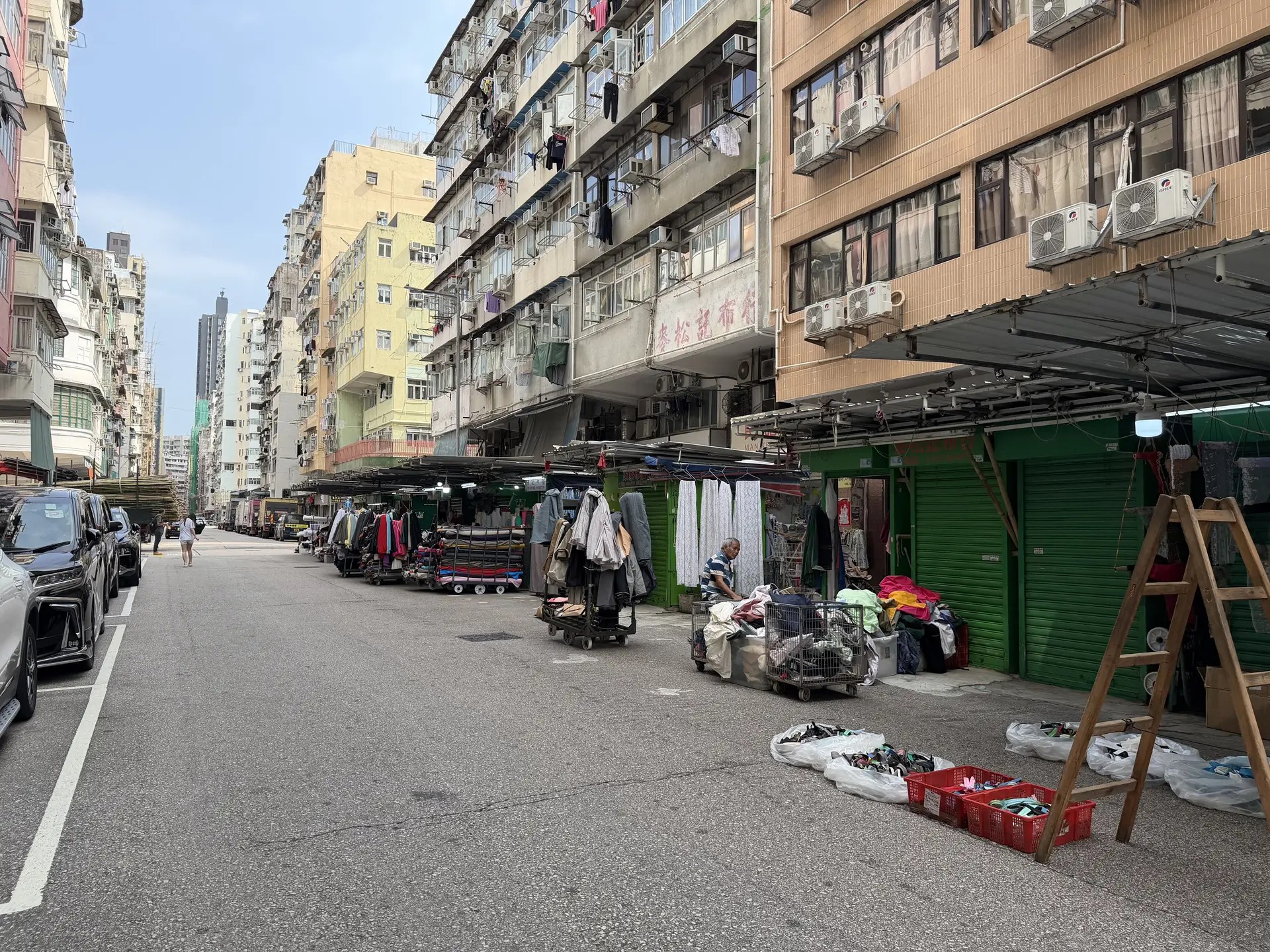
In the 1950s, the textile industry served as the backbone of Hong Kong’s economy, and in the 1980s to 1990s, textile shops dominated the streets of Sham Shui Po. But as the years go by, more textile shops are coming to a close and are slowly fading away from the city’s scenery.
What is killing the textile industry?
According to the Textile Council of Hong Kong, changes in the global supply chain, the digital revolution, and sustainable development trends have transformed Hong Kong’s textile industry from labour-intensive manufacturing into a centre for design that focuses on research and development and sustainable innovation.
However, this shift has reduced business opportunities for these vendors. Given that textile shops used to support garment manufacturers in Hong Kong, businesses declined as garment production factories in Hong Kong shut down. “The main problem is that my clients are not even working [in manufacturing],” says Lam. Another vendor at a textile stall located on Ki Lung Street, May Gei, also expressed that most factories have been relocated to Vietnam, Malaysia, and Thailand, which led to a huge loss in business.
Due to a lack of customers and textile demand, most textile shops now receive only a few customers a day. Gyun Lee, a worker at Winner Button Co., a 30-year-old textile shop, shared that business has not been sufficient to cover the rent of the shop.
Technological advancement has also reduced the number of customers among these textile shops. At an age where everything can be purchased at the click of a button, most people are now opting to purchase online rather than visiting physical stores. “Buying things online can sometimes work and sometimes doesn’t, everyone simply focuses on the cheap deals, they don’t care [about the quality], and there’s nothing we can do,” says Gei.
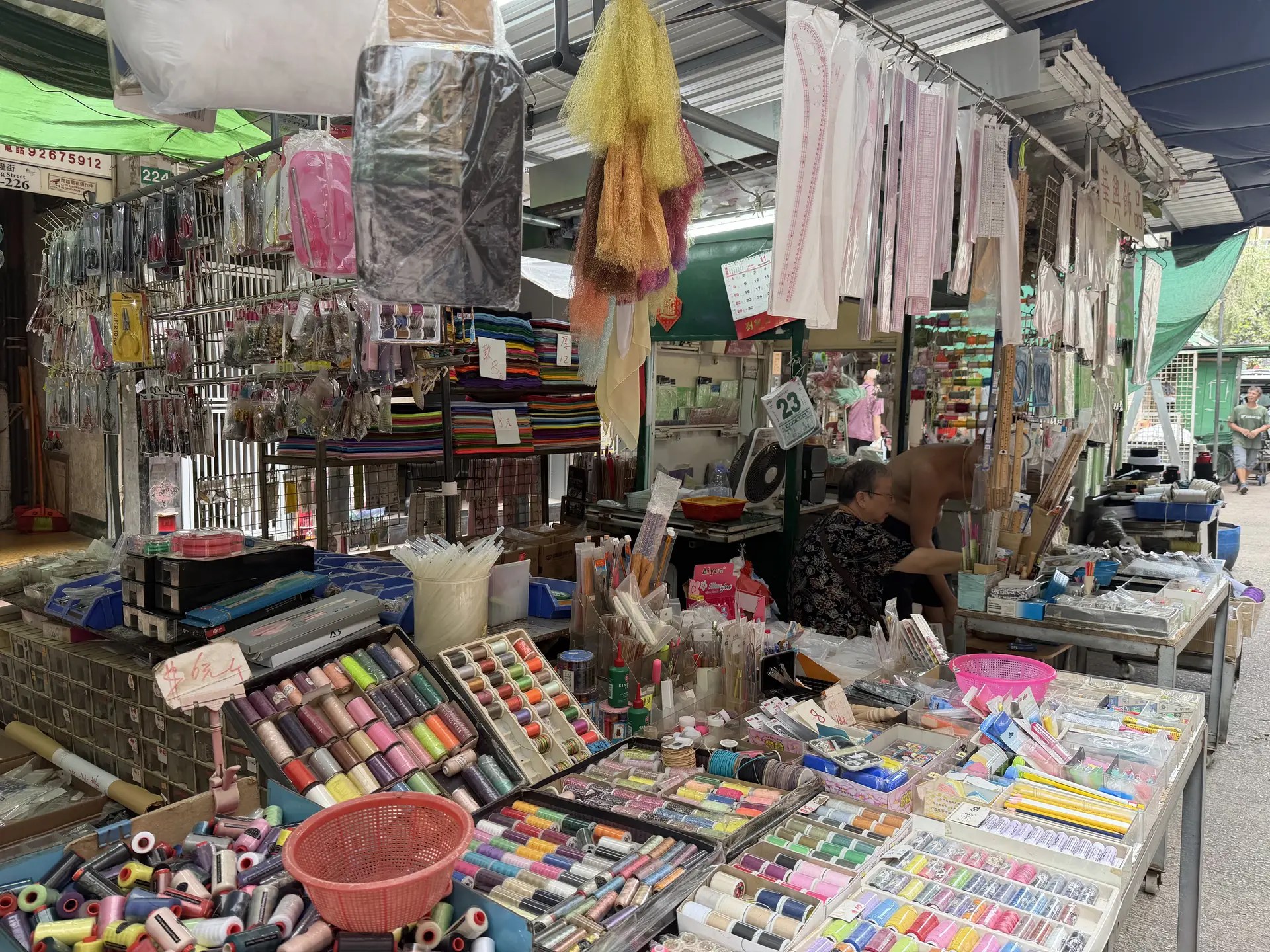
Strict regulations have bred fear among vendors too. Hong Kong’s iconic textile hubs relied on outdoor visibility and colourfully stacked fabric to draw customers in. But according to a government press release, the penalty for shopfront extension have raised to $6,000 in 2023, and many vendors have grown cautious about displaying goods outside. “Now, if you were to extend your display even by a bit, they would fine you, they are very strict, and we are all terrified,” Lam said.
The pandemic also impacted businesses among these textile shops. “During Covid, people could not come into our stores, and after Covid, all the people practically stopped coming in,” said Lam. However, vendor Gei shared a brief pandemic silver lining: when lockdowns sparked a temporary boom in home-craft hobbies like knitting or crocheting, that momentum has completely evaporated, leaving stores worse off than before.
What are vendors doing to keep their businesses alive?
With only a few customers per day, many textile shops are considering closing. Lam claimed that most stores specialising in textile trims have permanently closed down. Therefore, to sustain her business, Lam also produces hand-sewn tote bags alongside textile materials to make ends meet.
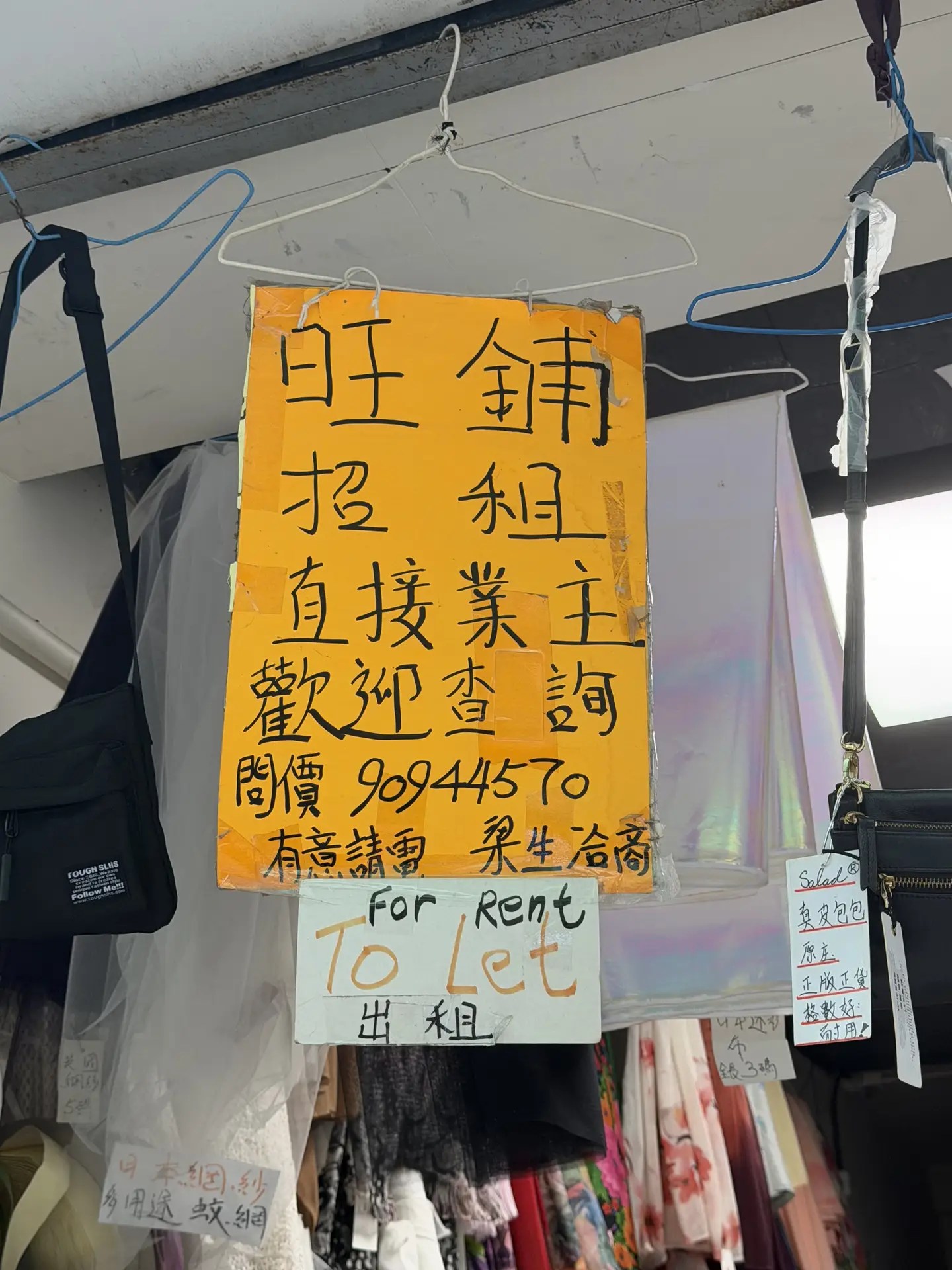
Another textile shop located at Ki Lung Street, with over 30 years of operation has also put up a sign outside the shop, offering part of the premises for rent due to a lack of customers and businesses.

Government efforts to foster the textile industry
According to the Chief Executive’s 2026 Policy Address, the government intends to expand collaboration and exchange with fashion shows in mainland China and overseas to further propel collaboration among the city’s fashion design and textile industry.
Additionally, the Textile Council of Hong Kong also shared how the government aims to foster a resilient textile and garment industry, capable of thriving in the rapidly changing global market through financial support towards manufacturing technologies and opening up the DX Design Hub in Sham Shui Po in 2024 to encourage collaboration between designers and the textile industry.
The future of these textile shops
Despite these attempts, many vendors remain pessimistic towards the future of Hong Kong’s textile industry. “Who knows what will happen [to the textile industry]? Right now, everything is just going downhill,” says Lee.
In the current rapid pace of technological evolution, the only way for the textile industry to remain relevant may be to go digital. While screens and e-commerce can streamline transactions, it is only through physically visiting these stores that one can truly comprehend the historical value and human touch among these vendors — something digital media could never replace.